The short version
Selling precious metals, step by step
Here's the whole process at a glance. Each step has its own section further down the page.
Step 1
Work out what you have
Sort your items by metal and type, and note the weight and purity of each. Set aside anything that might be collectible before you think about melt value.
Step 2
Estimate the melt value
Multiply the pure metal content by today's spot price. That's your reference point for judging every offer you get.
Step 3
Understand how buyers price it
Dealers pay a little below spot for most bullion, more for products they can resell easily, and less for scrap that has to be refined.
Step 4
Choose where to sell
Local coin shops, online dealers with mail-in buyback, pawn shops, refiners and auctions each suit different items. Shortlist two or three.
Step 5
Get several quotes
Ask each buyer for a price per item or per ounce, how long the quote holds, and any fees. Compare what you'd actually receive.
Step 6
Lock the price and deliver
Confirm the deal in writing, then hand the metal over in person or ship it fully insured with tracking and a signature.
Step 7
Get paid and keep the paperwork
Know when and how the money arrives. File the sale receipt with your purchase records for tax time.
Weight, purity and product type
Know what you have
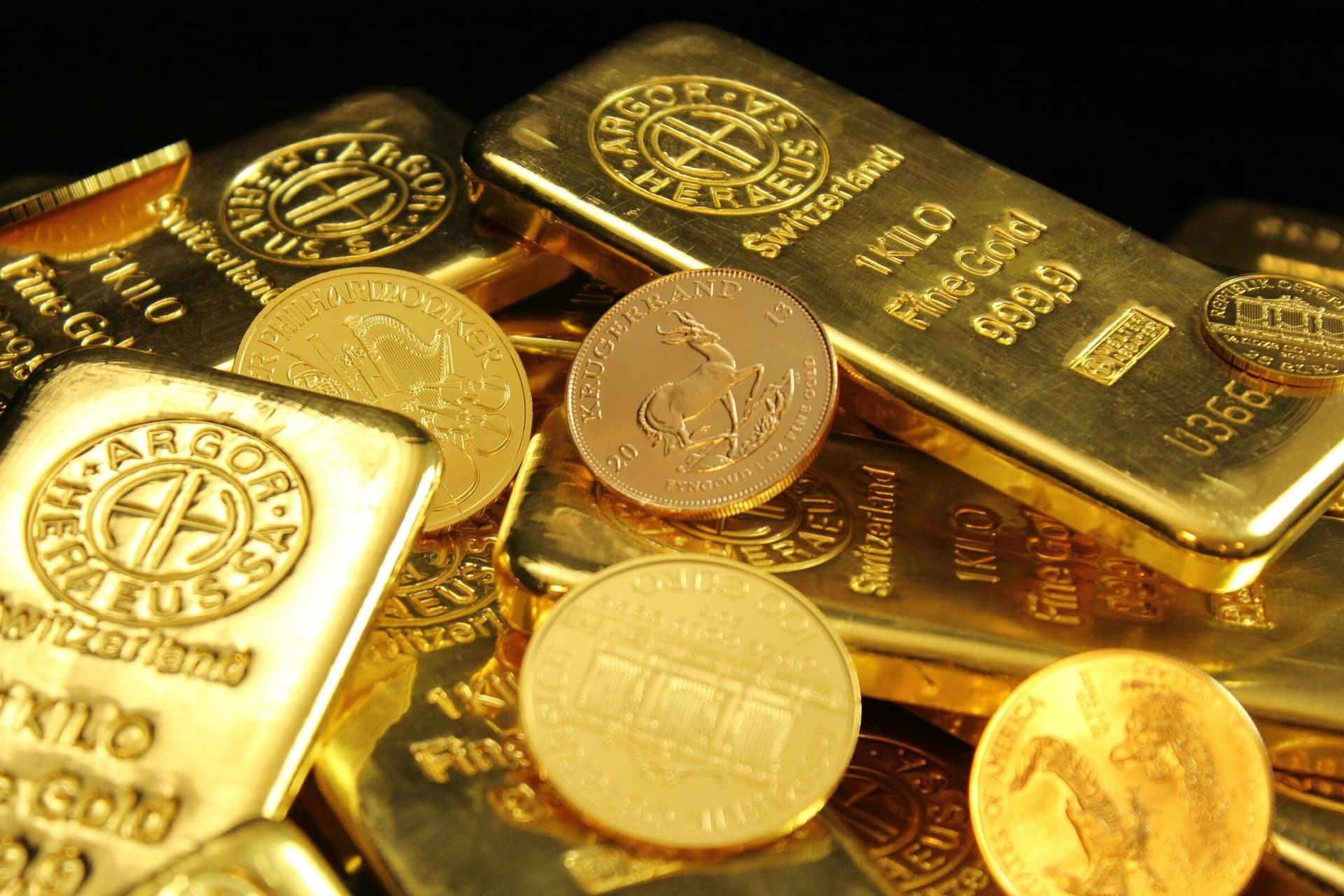
Whether it's gold, silver, platinum or palladium, buyers price metal by its pure content, so start by finding out three things about each item. Most bullion is stamped with its weight and fineness; read up on purity and fineness and troy ounces if the markings are new to you.
Weight
Bullion is weighed in troy ounces (or grams), which are heavier than the everyday ounce on a kitchen scale. Use the stamped weight, or a scale that reads in grams or troy ounces.
Purity
Look for marks such as .999, .9999, 24K, 22K, 14K or 925. Jewelry and scrap are often lower purity than bullion, so the pure metal inside is less than the total weight.
Product type
Government bullion coins, bars from known refiners, private rounds, pre-1965 US silver coins, jewelry and scrap all sell at different prices, even with the same metal inside.
Supporting papers
Assay cards, original tubes, mint boxes and certificates make an item easier to sell and can earn a better bid. Keep them with the metal.
Check for collectible value first. Some coins are worth more than their metal because of their date, mint mark, rarity or condition. Before you sell older or unusual coins for melt, read our rare coins guide and consider asking a reputable numismatist for an opinion.
Don't clean old coins. Polishing, dipping or scrubbing leaves marks that collectors and graders spot straight away, and it can cut a collectible coin's value sharply. Sell them as they are.
Selling pre-1965 US dimes, quarters or half dollars? Our junk silver calculator works out their silver content from face value.
Your reference point
Work out the melt value
Melt value is the worth of the pure metal inside an item at today's spot price (see how the spot price is set). The formula is simple: weight × purity × spot price, with the weight in troy ounces.
Most offers you get will be close to melt value, a little above it or below it, depending on the product. Knowing the number before you call a buyer makes a low-ball offer easy to spot. Use the calculator below for a quick estimate.
Spot prices move throughout the trading day, so a quote from this morning may not match one this afternoon. Check spot again just before you agree a price.
Try it
Melt value calculator
Pre-filled with the latest price. Edit it to try another price.
Melt value
$4,141.39
0.9999 troy oz of pure gold
Melt value is the metal content at spot. Dealers sell above it (the premium) and usually buy below it. Rare coins can be worth far more than melt.
Bid, ask and spread
How dealers price buybacks
Dealers quote two prices: the ask, what they sell for, and the bid, what they pay you. Both are set from spot. The gap between them, the spread, covers the dealer's costs and profit. More in bullion premiums, bid and ask.
Bids are usually below spot
For most bullion, a dealer's bid sits a little under spot (sometimes at or just over spot for the most popular coins). The bid on any one item depends on how quickly the dealer can resell it.
Recognised products get better bids
Popular government coins and bars from well-known refiners can be resold quickly with no testing, so dealers compete for them and pay closer to spot.
Less common items get less
Obscure rounds, damaged coins and bars from unknown makers may need testing and are harder to resell, so the bid is lower.
Scrap pays the least
Jewelry, dental gold and mixed scrap have to be tested and refined, so buyers pay a share of melt value. The share varies a lot, which is why shopping around matters most here.
Size and quantity matter
Some dealers pay more per ounce for larger amounts, others pay less for very large bars that are harder to move. Ask whether the bid changes with quantity.
Market conditions
When lots of people are selling at once, bids can drop further below spot; when demand is strong, they tighten. The spread you paid when buying isn't fixed.
Pros and cons of each buyer
Where to sell
Most sellers use one of five kinds of buyer. The right one depends on what you have, how much it's worth and how quickly you need the money.
| Buyer | Pros | Cons |
|---|---|---|
| Local coin shops | Face to face, often paid the same day, no shipping, and many can spot collectible coins. | Bids vary a lot from shop to shop, and a small shop may not want large quantities. |
| Online dealers (mail-in buyback) | Posted buy prices that are easy to compare, and often competitive bids on recognised bullion. | You have to ship the metal, payment waits until it arrives and is checked, and some have minimums. |
| Pawn shops | Quick and convenient, with many locations and long opening hours. | Usually the lowest offers, since they price for risk and a fast resale. Better suited to loans than sales. |
| Refiners | Can pay well on large amounts of scrap, with formal testing of the metal content. | Often have minimum lot sizes, take longer, and charge refining or assay fees. |
| Auctions and marketplaces | Can reach collectors willing to pay over melt for rare or graded coins. | Seller fees, slow sales, payment and fraud risks, and no guarantee of a buyer. |
Selling privately to someone you don't know is risky. If you do, meet somewhere public, such as a bank lobby, and be wary of any payment that can be reversed or faked.
Compare what you'd actually receive
Get more than one quote
Offers for the same item can differ a lot, especially for scrap and jewelry. Two or three quotes take little time and are the simplest way to avoid selling too cheaply.
Ask the same question
Give each buyer the same description: metal, product, weight, purity and quantity. Ask for a price per item or per ounce, not just a total.
Ask how the price is set
A fair buyer will tell you what spot price they used and how far below spot their bid is. Vague answers are a warning sign.
Know how long it holds
Quotes are often locked only for a short time, or until you ship. Find out when the price is fixed and what happens if spot moves.
Count every deduction
Shipping, insurance, testing, assay, refining and payment fees all come off the total. Compare the amount you'll receive, not the headline bid.
If you sell by mail
Shipping safely
Full insurance
Make sure the parcel is insured for its full value until the buyer signs for it. Many online dealers provide prepaid, insured labels; if not, check what your carrier's insurance really covers for precious metals.
Tracking and signature
Use a tracked service that needs a signature on delivery, and keep the receipt and tracking number until you've been paid.
Discreet, secure packing
Pack items so they can't move, in a plain box with no mention of metal on the outside. Follow the buyer's packing instructions exactly.
Record what you send
Photograph or video every item and the sealed box, and include a packing list. If anything goes missing or a count is disputed, you'll have evidence.
Payment timing and methods
Getting paid
In person, a coin shop may pay on the spot. By mail, the dealer usually pays after the parcel arrives and the items are counted and checked. Ask before you sell how long that takes and how you'll be paid.
Bank transfer
Wire or ACH is common for larger sales and is generally the safest way to receive money, as it can't bounce.
Check
Often slower and can take time to clear. Wait until the funds have fully cleared before you treat the sale as done.
Cash
Some shops pay cash for smaller sales. Larger cash payments can trigger extra paperwork for the business, so a transfer may be simpler.
Get it in writing
Ask for a receipt or settlement statement showing each item, the weight, the price per item or ounce, any fees and the date. You'll need it for your records.
Watch out for
Scams and red flags when selling
- Gold parties. A buyer at a home “party” weighs and buys jewelry on the spot, often far below its value, and the social setting makes it awkward to say no or check other offers.
- Mail-in “we buy gold” kits. Free envelopes from advertisers who send a low offer once they have your items. Some treat cashing a check as acceptance, give you only days to object, and melt items quickly. Consumer protection agencies have warned about these schemes.
- Low-ball offers. A first offer far below melt value, often with pressure to accept now. Know your melt value before you walk in, and be ready to leave.
- Hidden weighing and testing. Weighing out of your sight, using a scale that isn't certified for trade, or lumping different karats together at the lowest purity. Watch the weighing and ask for each item to be priced.
- Pop-up and hotel buyers. Traveling buyers who advertise heavily, stay a few days and leave. If something goes wrong, there's no shop to go back to.
- Payment you can't trust. Private buyers offering cashier's checks, payment apps or overpayment with a request to send money back. Fake checks are a common way to steal metal.
If you think you've been scammed, report it to the Federal Trade Commission or your state attorney general.
In general terms
Records and taxes
In the US, the IRS generally treats physical precious metals as collectibles. When you sell at a gain, long-term gains on collectibles can be taxed at a higher maximum rate than gains on stocks. Your gain is roughly the sale price minus your cost basis (what you paid, including costs), so records matter.
Proof of what you paid
Keep the original invoice for every purchase. Without it, it can be hard to show your cost basis, and you could end up paying tax on more than your real gain.
Sale receipts
Keep the buyer's receipt or settlement statement for every sale, showing the date, items, weight and amount paid.
Dealer reporting
Dealers have to report some sales to the IRS, for example on Form 1099-B, depending on the product and quantity. Many sales aren't reported, but you are generally still required to report a gain.
State rules
States have their own income tax rules, and some regulate precious-metal buyers too. Check what applies where you live.
Tax rules change and depend on your situation. This isn't tax advice: check current IRS guidance or ask a tax professional before you sell, especially for large amounts or inherited metal.
Good to know
Frequently asked questions
Where is the best place to sell gold and silver?
There's no single best place. Local coin shops and online dealers with buyback programs usually pay the most for recognised bullion, refiners can suit large amounts of scrap, and auctions can suit rare coins. Getting two or three quotes is the most reliable way to find a fair price.
Will a dealer pay me the spot price?
Usually a little less. Dealers bid below spot on most bullion to cover their costs and profit, though they may pay close to spot for the most popular coins and bars. Scrap and jewelry usually fetch a smaller share of melt value because they need refining. More in bullion premiums, bid and ask.
How do I know if my coins are worth more than melt value?
Older coins, unusual dates and mint marks, graded coins and coins in very good condition can be worth more than their metal. Read our rare coins guide, look them up or ask a reputable numismatist before selling, and don't clean them first, because cleaning can lower their value.
Is it safe to mail precious metals to a dealer?
It can be, if you use an established dealer, the parcel is insured for its full value, and it's tracked with a signature on delivery. Record what you send, follow the dealer's packing instructions and keep the tracking details until you're paid.
How long does it take to get paid?
A coin shop may pay on the spot. Online dealers usually pay after your parcel arrives and is checked, which can take several business days, plus the time for a transfer or check to clear. Ask before you sell.
Do I have to pay tax when I sell gold or silver?
In the US, gains on physical precious metals are generally taxable and are usually treated as gains on collectibles. Some sales are reported to the IRS by the dealer, but you're generally required to report a gain either way. This isn't tax advice, so check with a tax professional.
I inherited some precious metals. How do I sell them?
Start by making an inventory of what you have, setting aside any coins that may be collectible, and working out the melt value of the rest. Get several quotes as you would for any sale. Inherited property can have different tax treatment from metal you bought, so ask a tax professional how it applies to you.
This guide is for general education only and isn’t financial, tax or legal advice. We don’t recommend specific dealers or buyers. Prices, dealer terms and tax rules change, so check current details and, if you’re unsure, talk to a tax professional or licensed adviser before you sell.