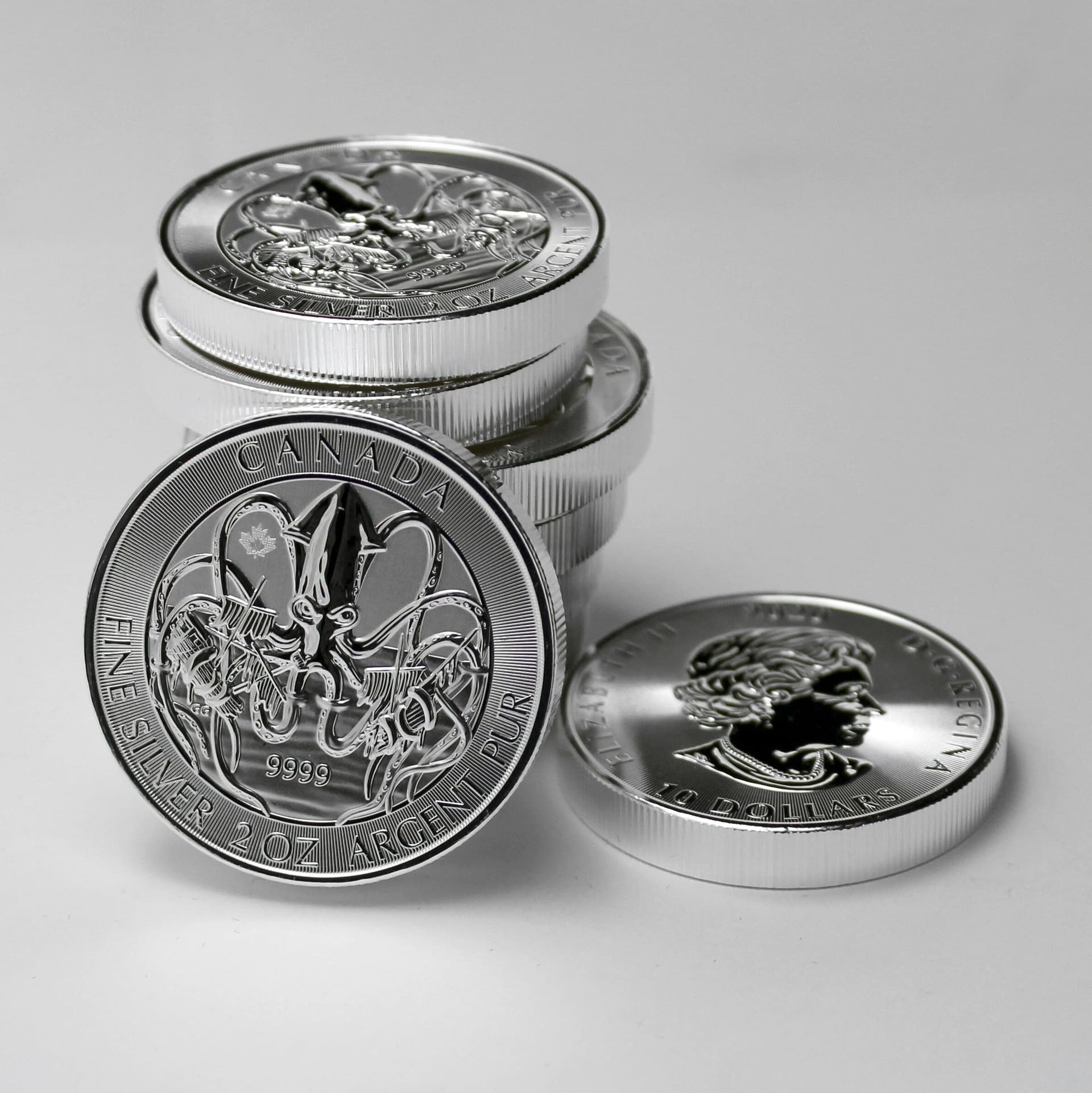
What makes a coin valuable
Rarity
How many were made (mintage) and, more importantly, how many survive today, especially in high grades.
Condition
Wear, scratches and strike quality. A small step up in grade can multiply the price.
Demand
Popular series such as Morgan dollars and Lincoln cents attract more collectors, which supports prices.
Eye appeal
Lustre, colour and toning. Two coins with the same grade can sell for very different amounts.
Collectors prize key dates, the scarcest coins in a series, such as the 1909-S VDB Lincoln cent or the 1916-D Mercury dime. Errors and varieties, like the 1955 doubled die cent, can also carry big premiums.
How coin grading works
US coins are graded on the Sheldon scale, from 1 (barely identifiable) to 70 (flawless under magnification). The number usually comes with letters for the condition band. Use the grade explorer below to see what each range means.
| Grade | Name | What it looks like |
|---|---|---|
| 1–3 | Poor, Fair, About Good | Heavily worn; date and design barely visible |
| 4–10 | Good, Very Good | Major design visible but flat; rims mostly intact |
| 12–35 | Fine, Very Fine | Moderate wear on high points; most detail clear |
| 40–45 | Extremely Fine | Light wear on the highest points only |
| 50–58 | About Uncirculated | Traces of wear; most original lustre remains |
| 60–70 | Mint State (MS) | No wear from circulation; graded on marks, lustre and strike |
Third-party grading and slabs
Independent services examine a coin, assign a grade and seal it in a tamper-evident plastic holder, called a slab. The two most widely accepted are PCGS (founded 1986) and NGC (founded 1987). Their grades are what most dealers and auction houses price from.
Both publish population reports showing how many coins of each date and grade they have certified, which helps show how rare a coin really is. Some collectors also look for a CAC sticker, which indicates a separate review judged the coin solid for its grade.
Rare coins versus bullion
| Bullion coins | Rare coins | |
|---|---|---|
| Value based on | Metal content at spot | Rarity, grade and collector demand |
| Price transparency | High: spot plus a visible premium | Lower: prices vary by dealer and auction |
| Dealer spread | Small | Often wide |
| Ease of selling | Easy, almost any dealer | Slower; may need auctions or specialists |
| Knowledge needed | Low | High |
In between sit semi-numismatic coins, such as common-date pre-1933 US gold coins or circulated Morgan dollars. They trade at a modest premium over their metal value, so they behave partly like bullion and partly like collectibles.
Step by step
Starting out sensibly
Step 1
Learn before you buy
Collectors say "buy the book before the coin." A standard reference for the series will teach you dates, varieties and what drives prices.
Step 2
Start with certified coins
PCGS- or NGC-graded coins remove the biggest risk for beginners: overpaying for an overgraded or altered coin.
Step 3
Check published prices
Compare asking prices with price guides and recent auction results for the same coin in the same grade.
Step 4
Buy from reputable dealers
Look for clear return policies and membership in professional bodies such as the Professional Numismatists Guild (PNG).
Watch out for
Things to watch out for
- High-pressure sales. Cold calls and adverts pushing "rare" coins as a safe investment, especially for retirement accounts, often involve heavy markups.
- Wide spreads. Dealers may buy back well below what they sell for, so prices must rise a lot just to break even.
- Counterfeits. Fakes of popular coins such as Morgan dollars and gold coins are widespread. Raw, ungraded coins carry the most risk.
- Cleaned or altered coins. Cleaning, polishing and tooling sharply cut value, and they're easy to miss without experience.
- Marketing labels. Tags like "First Strike" or "Early Releases" describe when a coin was submitted for grading, not how it was struck, and the extra cost may not hold up.
- Liquidity. Selling a rare coin for full value can take time, and prices for a series can fall out of fashion.
Good to know
Frequently asked questions
Are rare coins a good investment?
They can rise in value, but they're best understood as collectibles. Prices are less transparent than bullion, spreads are wide, and selling can take time. Many people buy them because they enjoy collecting, not as a core investment.
How do I find out what my coin is worth?
Identify the date, mint mark and condition, then compare with a price guide and recent auction results. For a potentially valuable coin, a reputable dealer or a grading service can give a more reliable answer.
Should I clean an old coin?
No. Cleaning almost always reduces a coin's value, sometimes dramatically. Collectors prefer original surfaces, even if they look dull or toned.
What's the difference between Proof and Mint State?
Mint State coins were made for circulation but never used. Proof coins are struck specially, with polished dies and extra care, for collectors. Both are graded on the 1–70 scale.
Can rare coins go in an IRA?
Generally no. US tax rules treat collectibles, including most rare coins, as prohibited IRA investments. Only certain bullion coins and bars qualify.
This guide is for general education only and isn’t financial, tax or legal advice, and a link to a dealer isn’t a recommendation to buy. Facts about markets and products change, so check current details, premiums and fees, and talk to a licensed adviser before making decisions.