Bid, Ask and Premium: What You Really Pay for Bullion

Contents
- What do spot, bid and ask actually mean?
- What is a bullion premium, and why does it exist?
- What changes the size of the premium?
- How do you calculate what you really pay?
- Why does the bid side matter as much as the ask?
- What questions should you ask a dealer?
- Frequently asked questions
- Can I buy bullion at the spot price?
- Is a lower bullion premium always better?
- Why did premiums jump when the spot price barely moved?
- Are premiums on silver higher than on gold?
- Do I pay tax on the premium?
- The bottom line
When you buy gold or silver bullion, you pay more than the spot price. You pay the dealer's ask price, which is spot plus a bullion premium. When you sell, you usually get the dealer's bid price, which is often below what you paid. The distance between those two prices is what the round trip really costs you, so it's worth understanding before your first purchase.
Key takeaways
- The spot price is a starting point, not a price you can usually buy at. Dealers quote an ask (their selling price) and a bid (their buying price).
- The bullion premium is everything you pay above the metal's value: making the coin or bar, distribution, dealer costs and profit.
- To compare two offers fairly, look at the total cost per troy ounce including shipping and payment fees, and at what a dealer would pay you back.
What do spot, bid and ask actually mean?
The spot price is the current market price for one troy ounce of a metal traded in large wholesale amounts. It's a reference number, and it moves all day while markets are open. If you want the details on where it comes from, see What Is the Spot Price of Gold, and How Is It Set?.
The ask (or "offer") is the price a dealer will sell to you at. The bid is the price the dealer will pay to buy from you. For physical bullion, the ask is almost always above spot, and the bid is usually close to spot, sometimes a little above or below depending on the product and market conditions.
The gap between bid and ask is called the spread. You can think of it as what it costs to buy something and then immediately sell it back.
What is a bullion premium, and why does it exist?
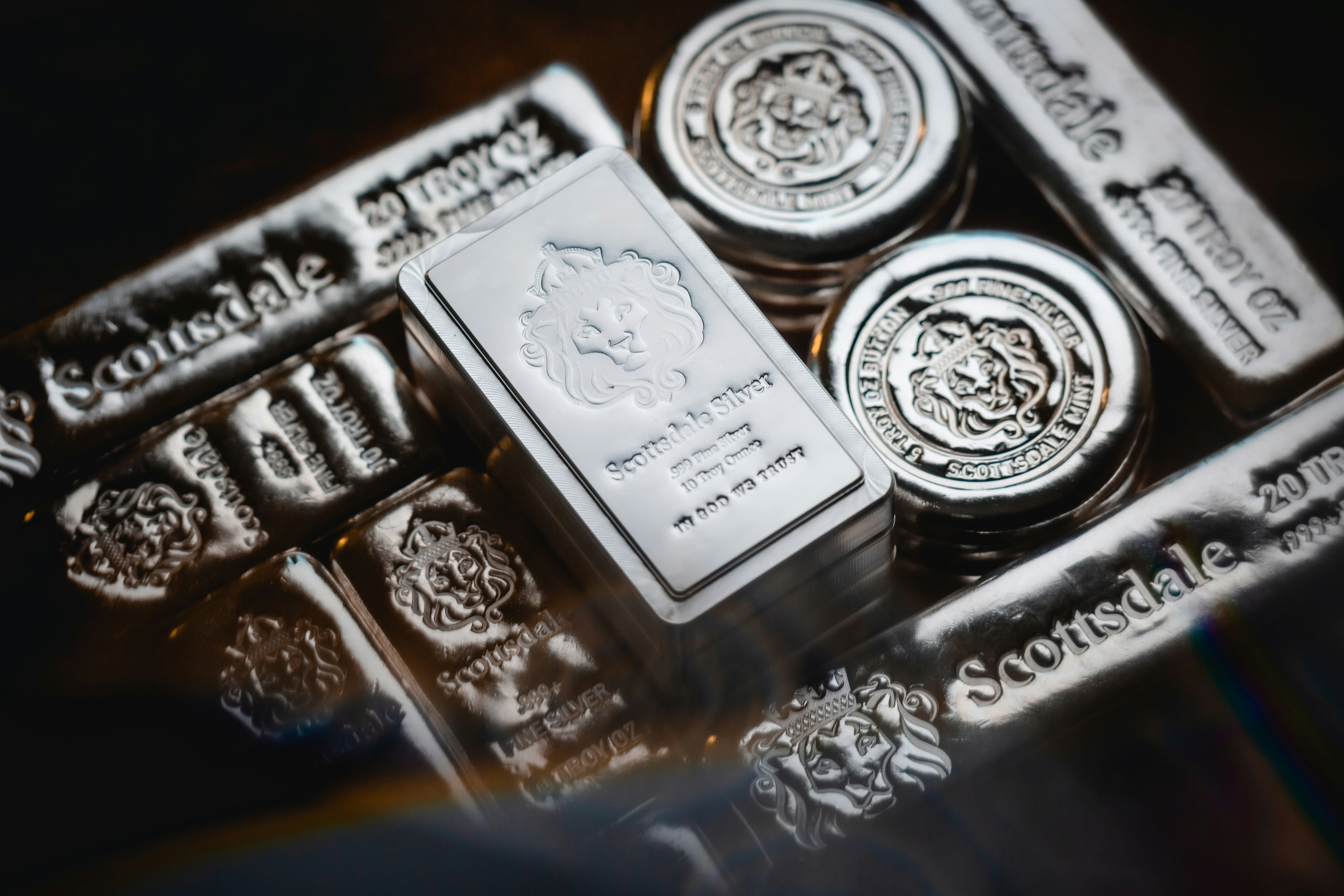
Bullion means metal valued mainly for its weight and purity, such as standard gold and silver coins, bars and rounds. That's different from numismatic (collectible) coins, whose price depends on rarity and condition. The bullion premium is the amount you pay above the melt value of the metal inside the product.
It exists because turning raw metal into a coin or bar you can hold costs money. Typical parts of the premium include:
- Fabrication: refining, minting, stamping, assaying and packaging.
- Mint or wholesaler markup: sovereign mints and large distributors charge their own premium before a retail dealer ever sees the product.
- Dealer costs and margin: staff, insurance, secure storage, hedging and profit.
- Supply and demand: when many people want physical metal at once, premiums on popular products can rise even if spot doesn't move much. When demand is quiet, they can shrink.
None of this is a hidden fee. It's simply the price of physical metal as opposed to a number on a screen. What matters is knowing how big it is and comparing it across options.
What changes the size of the premium?
Premiums vary a lot from product to product. Rather than quoting figures, which change constantly, here are the general patterns you'll tend to see:
| Factor | Usually lower premium | Usually higher premium |
|---|---|---|
| Size | Larger bars and coins (e.g. 1 oz gold, 10 oz or 100 oz silver bars) | Small pieces (fractional gold, 1 g or 1/10 oz items) |
| Product type | Generic bars and rounds | Government-minted coins with legal tender status |
| Metal | Gold, as a share of the price | Silver, as a share of the price |
| Design | Standard yearly designs | Proof finishes, special editions, collector packaging |
| Condition | Secondary-market (previously owned) bullion | Brand-new, sealed mint product |
| Market mood | Calm, steady demand | Sudden demand spikes |
A few of these are worth explaining.
Size matters because fabrication costs don't scale with weight. Stamping a 1/10 oz coin takes roughly as much work as stamping a 1 oz coin, but you get a tenth of the metal. So small pieces carry a much higher premium per ounce. Some buyers pay that on purpose because they value flexibility, but it's a real cost.
Silver premiums tend to look bigger than gold's in percentage terms. Silver is far cheaper per ounce, so the fixed costs of making and shipping it are a larger share of the price. Silver is also bulky, which adds to storage and shipping costs. Our silver coins for stacking roundup covers some popular options if you want to see how different products compare.
Government coins often cost more than generic rounds or bars. Coins from sovereign mints are widely recognised, which some buyers value when it comes to resale. Generic products may cost less up front, but some dealers may bid less for them later. Neither choice is automatically better. It depends on what you care about.
How do you calculate what you really pay?
Dealers show prices in different ways: some per coin, some as "spot + $X", some as a percentage over spot. The simplest way to compare is to turn every offer into a total cost per troy ounce. (A troy ounce is 31.1035 grams, a little heavier than the everyday ounce. See Troy Ounces Explained if that's new to you.)
- Check the current spot price for the metal from a reputable source, and note the time. Spot moves throughout the day.
- Get the dealer's ask for the exact product and quantity. Many dealers give lower prices for larger orders.
- Add every extra cost: shipping, insurance, and any payment method surcharge (card payments often cost more than bank wire or check).
- Divide by the total fine metal content in troy ounces. Use the actual metal content, not the gross weight. A coin's stated fine weight is what counts.
- Subtract spot. What's left is your real bullion premium per ounce. Divide it by spot if you want it as a percentage.
- Ask for the buyback (bid) price on the same product. Then you can see the full spread, not just the purchase side.
Here's a simple illustration with made-up round numbers, not real prices: say spot is $100 per ounce and a dealer's ask for a 1 oz coin is $106, plus $4 of shipping spread over your order. Your all-in cost is $110, so your effective premium is $10, or 10% over spot. If that dealer's bid on the same coin is $101, then selling right away would get you $101 back, leaving you $9 short of your $110 cost. The price would have to move that much in your favour just to break even.
Why does the bid side matter as much as the ask?
Most first-time buyers focus only on the purchase price. But at some point you'll probably sell, or your heirs will, and the bid determines what you actually get back.
A few things to keep in mind:
- Buyback prices vary by dealer and product. Widely recognised coins and bars from well-known refiners tend to be easier to sell. Unusual, damaged or unbranded items may get lower bids or need testing first.
- Some premium may come back when you sell, and some won't. Popular government coins sometimes sell back above spot, so you recover part of what you paid. Proof and collector editions often don't keep their premium on resale.
- The spread is a cost you pay up front. It's one reason physical metal can be a poor fit for short-term trading. Bullion also pays no interest or dividends, and storing and insuring it costs money, so these costs build up over time.
If you're weighing collectible coins against plain bullion, the pricing logic is quite different. The Rare Coin vs Bullion dealer notes go into that comparison.
What questions should you ask a dealer?
You don't need to haggle like a professional, but it helps to ask clear questions and get answers in writing:
- What is the total price per ounce, including shipping, insurance and payment fees?
- Does the price change depending on how I pay?
- What would you pay to buy this exact product back today?
- Is the price locked when I place the order, and what happens if I cancel?
- Is the product new or secondary-market, and how do you check for counterfeits?
A dealer who is vague about buyback prices or pushes one "special" product hard deserves extra caution. High-pressure sales tactics, especially for collectible or proof coins sold as investments, are a common warning sign.
Frequently asked questions
Can I buy bullion at the spot price?
Usually not. Retail buyers almost always pay a premium over spot to cover fabrication, distribution and dealer costs. Spot is a wholesale reference price, not a retail price tag.
Is a lower bullion premium always better?
Not always. A lower premium is cheaper up front, but you should also look at how easy the product is to sell and what dealers will bid for it later. Total round-trip cost is the fairer comparison.
Why did premiums jump when the spot price barely moved?
Premiums reflect supply and demand for physical products, not just the metal price. When many buyers want coins and bars at once, mints and dealers can run short and premiums may rise, even while spot stays fairly steady.
Are premiums on silver higher than on gold?
As a percentage of the price, they often are, because silver's lower value per ounce makes fixed costs like minting and shipping a bigger share. Check current quotes, because this varies by product and over time.
Do I pay tax on the premium?
That depends on where you live. Some US states charge sales tax on bullion purchases and others exempt it. When you sell, the IRS generally treats physical gold and silver as collectibles, and your cost basis typically includes what you paid. Rules vary and change, so check with a tax professional.
The bottom line
The price you see on a chart isn't the price you pay. Your real cost is the dealer's ask plus any fees, and your real exit value is the dealer's bid. If you convert every offer to a total cost per troy ounce and ask for the buyback price before you buy, you'll know what the bullion premium and spread are really costing you. You can browse more plain-English explainers on the home page.
This article is for general education only and isn't financial, tax or legal advice. Talk to a qualified professional before making investment decisions.
Related posts

Troy Ounces Explained: How Precious Metals Are Weighed
A troy ounce is the standard unit for weighing gold, silver, platinum and palladium. Here's how it differs from a regular ounce and why it matters.

What Is the Spot Price of Gold, and How Is It Set?
The gold spot price is the current market price for one troy ounce of raw gold. Here's how trading sets it, why it moves, and why coins cost more than spot.

Best Silver Coins for Stacking: March 10
Dealer-style daily briefing on silver with macro analysis, product comparisons, and practical risk controls.