What makes gold different
Gold doesn't rust, tarnish or corrode, so a coin struck two thousand years ago can look almost new. It is very dense, easy to shape, and scarce: by common industry estimates, all the gold ever mined would fit in a cube only about 22 metres on each side.
That mix of durability and scarcity is why gold became money in so many cultures. No major currency is backed by gold today, but central banks still hold large gold reserves, and the metal is still quoted and traded around the clock. Prices are quoted per troy ounce (31.1 grams). Our explainers cover troy ounces and how the spot price is set.
The case, and the catch
Why people own gold
Long-term store of value
Over very long periods gold has tended to hold purchasing power, which is why it is often called a store of value.
Diversification
Gold has often moved differently from stocks and bonds, so some investors hold a small share of it to smooth a portfolio. The relationship isn't reliable year to year.
A hedge against uncertainty
Demand tends to rise during financial stress, wars and currency worries, when people look for assets outside the banking system.
No counterparty
A gold coin in your hand isn't anyone's promise to pay. That's different from a bond, a bank deposit or a share.
The catch: gold pays no interest or dividends, it costs money to store and insure, and it can fall for long stretches. Gold's January 1980 peak wasn't exceeded in dollar terms until 2008.
Where gold demand comes from
Jewelry
The largest single use in most years, led by buyers in India and China, where gold jewelry is also a form of saving.
Investment
Bars, coins and gold-backed exchange-traded funds (ETFs). This is the most changeable part of demand.
Central banks
Many central banks have been steady net buyers in recent years, adding gold to their reserves.
Technology
Electronics and dentistry use small amounts because gold conducts well and never corrodes.
Supply comes from mines, with China, Russia, Australia, Canada and the United States among the biggest producers, and from recycled jewelry and scrap. Because so much gold already exists above ground, a year's mine output is small next to the total stock.
Ways to own gold
Bullion coins
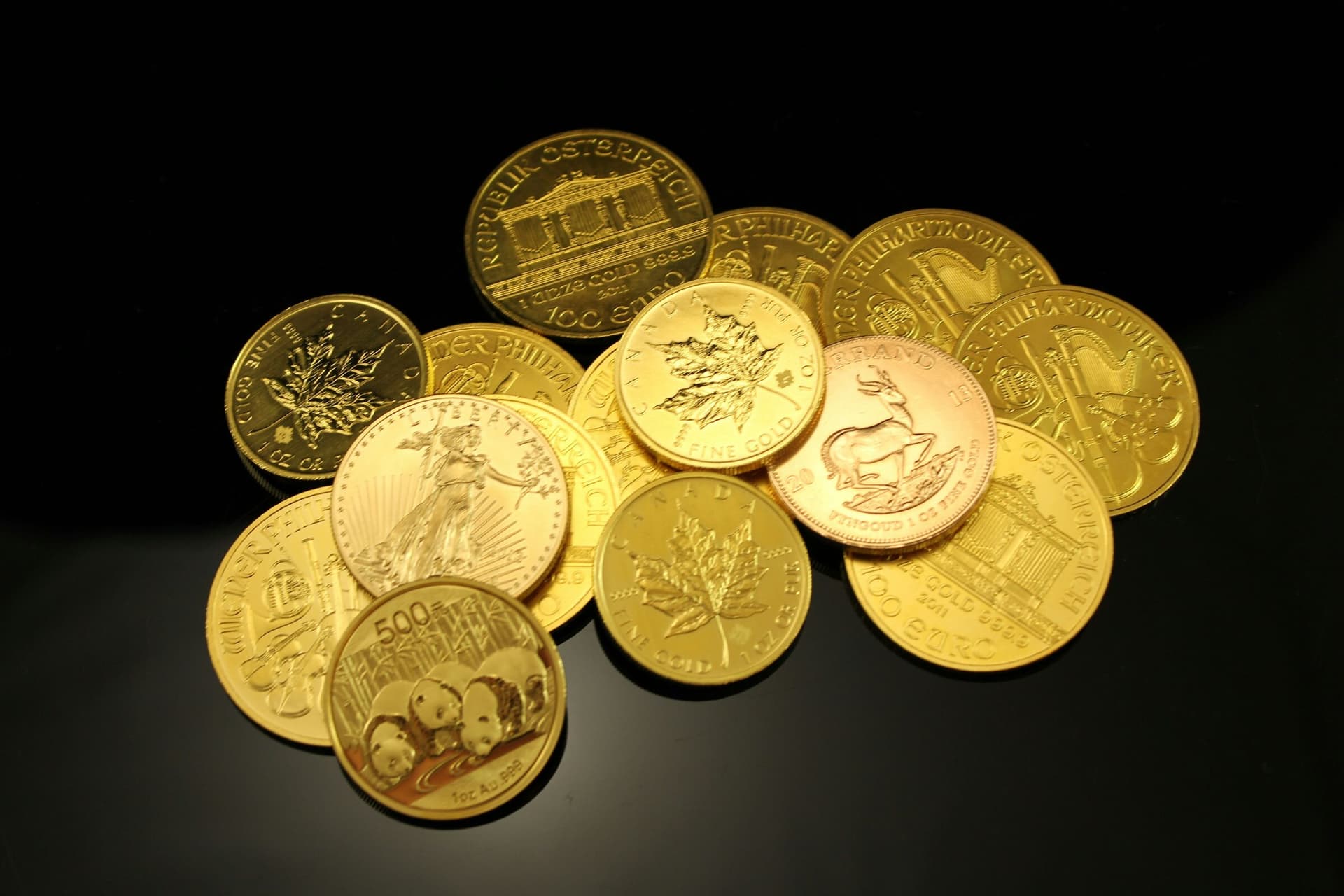
Government-minted coins with a guaranteed gold content. Easy to recognise and resell, but they usually carry higher premiums than bars.
Bars
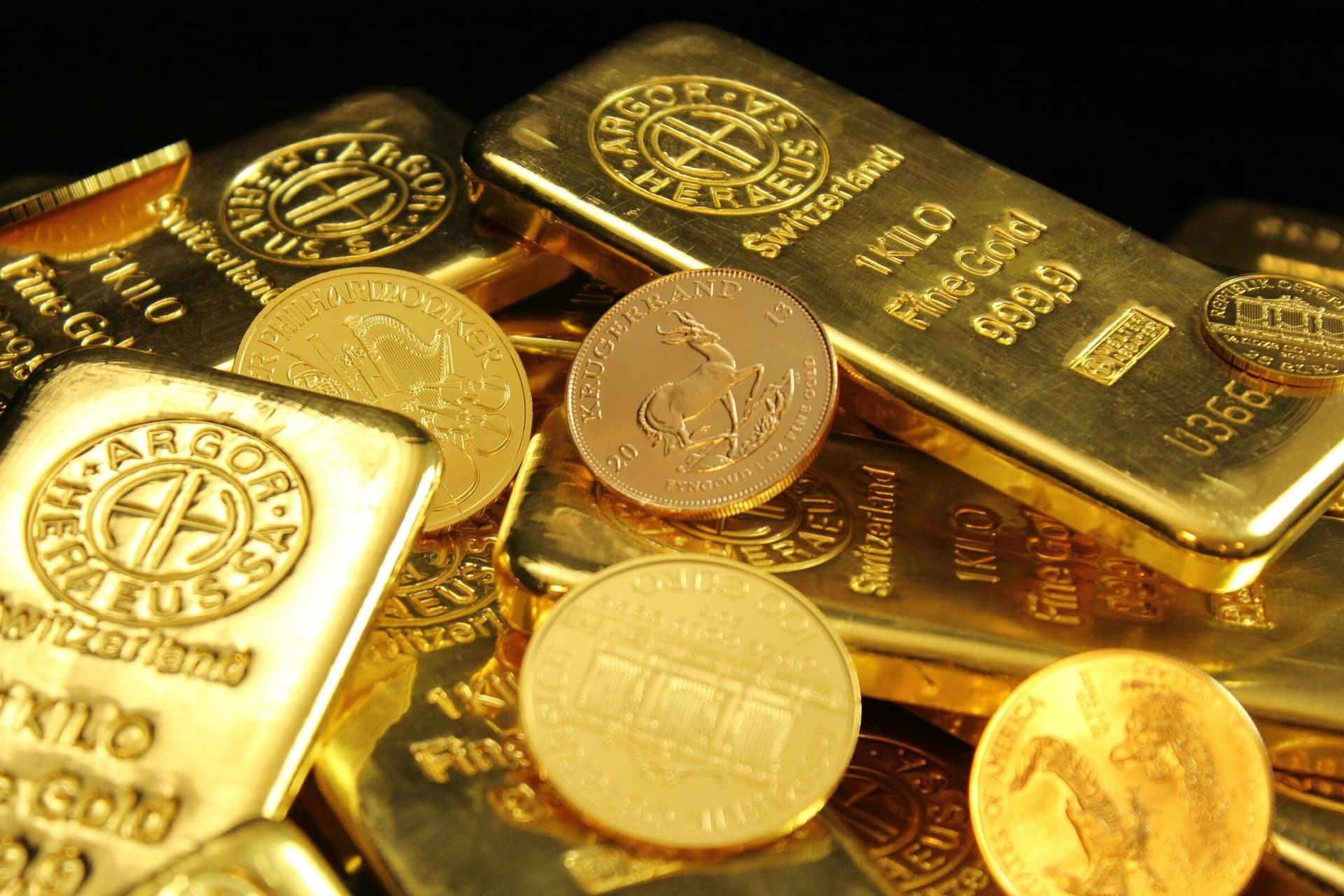
From 1 gram to 1 kilogram and beyond. Larger bars generally have lower premiums per ounce. Buy brands that dealers recognise.
Gold ETFs
Shares in a fund that holds gold in a vault. Easy to trade in a brokerage account, with an annual fee and no metal in your hands.
Mining stocks
Shares in gold producers. They often amplify gold's moves, but they also carry company risks such as costs, debt and management.
Whatever the form, the price you pay is spot plus a premium. Our guide to bullion premiums, bid and ask shows how to compare offers.
Popular gold bullion coins
| Coin | Issuer | Purity | Worth knowing |
|---|---|---|---|
| American Gold Eagle | US Mint | 22k (.9167) | Alloyed for durability; a 1 oz coin still contains a full ounce of gold |
| American Gold Buffalo | US Mint | 24k (.9999) | The US Mint's first 24-karat coin, introduced in 2006 |
| Canadian Gold Maple Leaf | Royal Canadian Mint | .9999 | Radial-line background and micro-engraved security mark |
| South African Krugerrand | South African Mint | 22k (.9167) | The first modern bullion coin, launched in 1967 |
| Austrian Philharmonic | Austrian Mint | .9999 | Euro-denominated and widely traded in Europe |
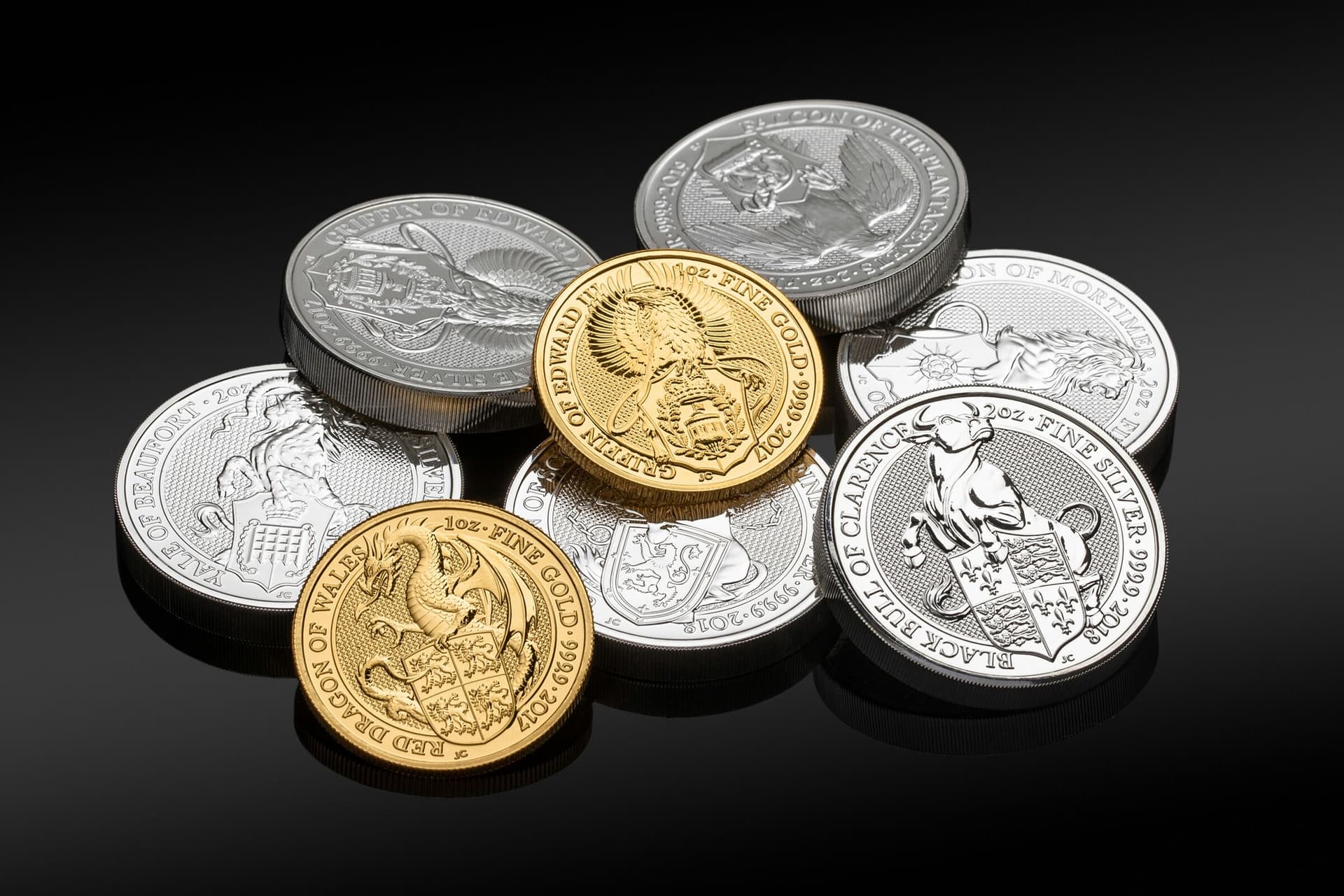
| British Britannia | The Royal Mint | .9999 | 24-karat since 2013, with added security features |
Try it
Melt value calculator
Pre-filled with the latest price. Edit it to try another price.
Melt value
$4,141.39
0.9999 troy oz of pure gold
Melt value is the metal content at spot. Dealers sell above it (the premium) and usually buy below it. Rare coins can be worth far more than melt.
What drives it
What moves the gold price
Real interest rates
When interest rates after inflation are high, holding a metal that pays nothing looks less attractive, and the reverse when they're low.
The US dollar
Gold is priced in dollars, so a weaker dollar makes it cheaper for buyers in other currencies, and often lifts the price.
Central bank buying
Large, steady purchases by central banks add a source of demand that doesn't react to short-term price swings.
Fear and uncertainty
Crises, wars and banking scares tend to bring buyers in quickly.
No one can reliably predict which of these will matter most next. Treat them as background, not a forecast.
Watch out for
Things to watch out for
- Premiums vary a lot. Compare the total cost per ounce, including shipping and payment fees, across dealers and products.
- Counterfeits exist. Fake coins and tungsten-filled bars are real. Buy from established dealers and check weight and dimensions.
- Selling costs money too. Dealers buy below spot, so you need the price to rise just to break even.
- Storage isn't free. A home safe, a bank box or a vault all have costs, and home insurance may not cover bullion.
- Collectible upsells. Be wary of "limited edition" or "rare" coins sold as investments at big markups over gold content.
- Taxes. In the US, physical gold is generally taxed as a collectible, at up to 28% on long-term gains. Check with a tax professional.
Good to know
Frequently asked questions
Is gold a good investment?
It depends on your goals, and we can't answer it for you. Gold has held value over long periods and often behaves differently from stocks, but it pays no income and can fall for years. Many people who own it keep it to a modest share of their savings.
What's the difference between 22k and 24k gold coins?
24-karat coins are about 99.99% gold. 22-karat coins are about 91.67% gold, alloyed with other metals to resist scratches. A 1 oz 22k bullion coin is made slightly heavier, so it still contains one troy ounce of pure gold.
How heavy is a troy ounce?
31.1 grams, about 10% heavier than the ounce used for food. Precious metals are always priced in troy ounces.
Why is gold priced in US dollars?
The biggest trading centres, London and New York, quote in dollars, and the dollar is the world's main reserve currency. Local prices elsewhere are the dollar price converted at the exchange rate.
Can I hold gold in a retirement account?
In the US, certain bullion coins and bars can be held in a self-directed IRA through a custodian and an approved depository. Keeping IRA gold at home generally isn't allowed. Fees are often higher than for ordinary funds.
This guide is for general education only and isn’t financial, tax or legal advice, and a link to a dealer isn’t a recommendation to buy. Facts about markets and products change, so check current details, premiums and fees, and talk to a licensed adviser before making decisions.