The short version
Buying precious metals, step by step
Here's the whole process at a glance. Most steps have their own section further down the page.
New to the jargon? Our glossary explains terms like premium, spread and spot price in plain English.
Step 1
Decide why and how much
Know what the metal is for (long-term saving, diversification, collecting) and set a budget you won't need back in a hurry. Physical metal costs money to buy and sell.
Step 2
Pick the metal and the product
Step 3
Shortlist sellers
Look at a few online dealers and a local coin shop or two. Check reviews, complaints, buyback terms and contact details before you get to prices.
Step 4
Compare the total cost per ounce
Add the premium, shipping, insurance, fees and any sales tax, then divide by the ounces of metal you get. The cheapest sticker price isn't always the cheapest buy.
Step 5
Pay and lock the price
Most dealers lock the price when you order, then wait for payment. Know which payment methods cost more and how long you have to pay.
Step 6
Inspect on arrival
Sign for the parcel, open it on camera, check the items against the invoice, and weigh and measure anything you're unsure about.
Step 7
Store it and keep the paperwork
Decide where it will live (a home safe, a bank box or a vault), check your insurance, and file the invoice. You'll need it when you sell.
Coins, bars, rounds or funds
Decide what to buy
Most first-time buyers start with gold or silver; platinum and palladium are smaller, more industrial markets with fewer products and wider dealer spreads. Whatever the metal, the product you choose affects the premium you pay and how easily you can sell.
Bullion coins
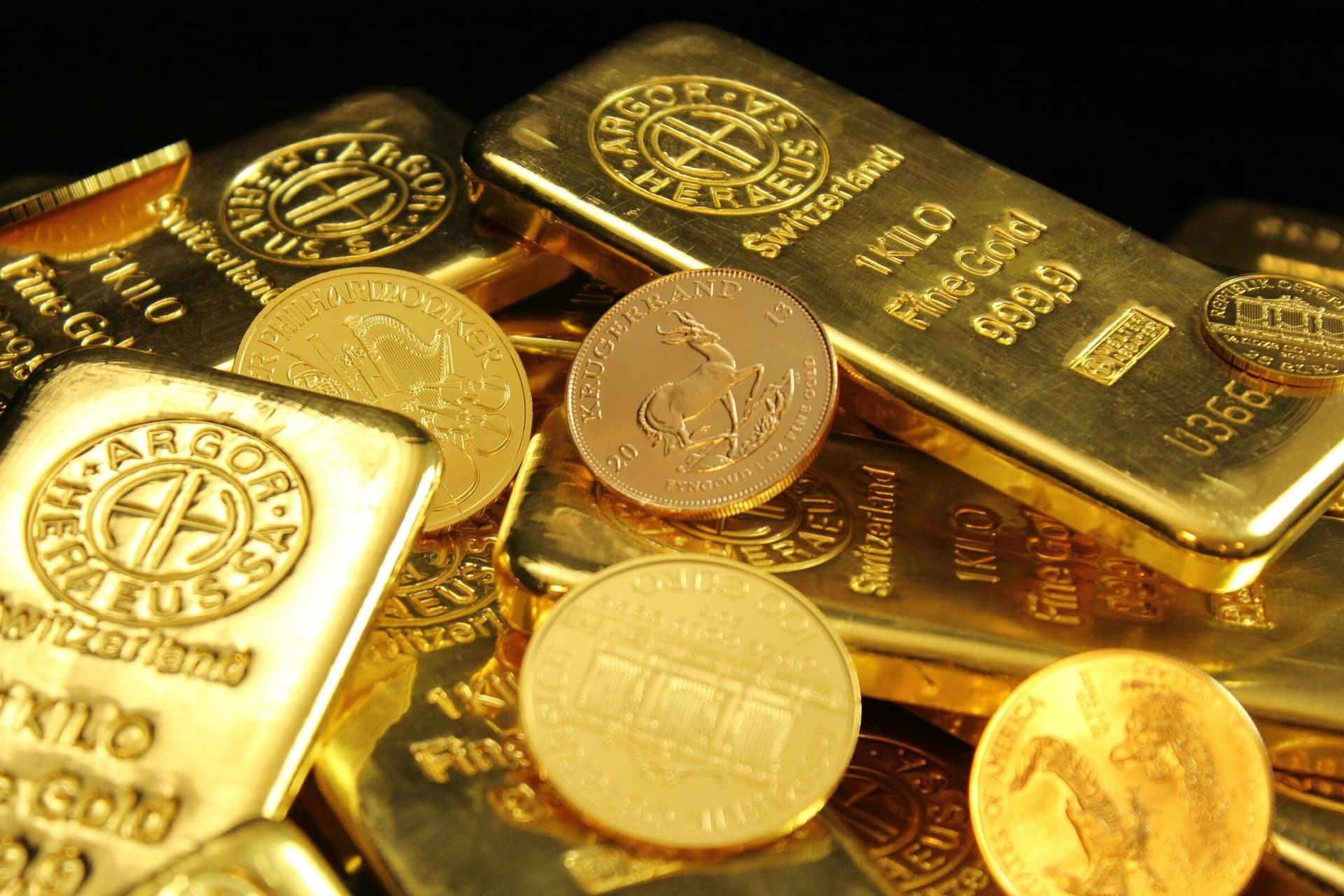
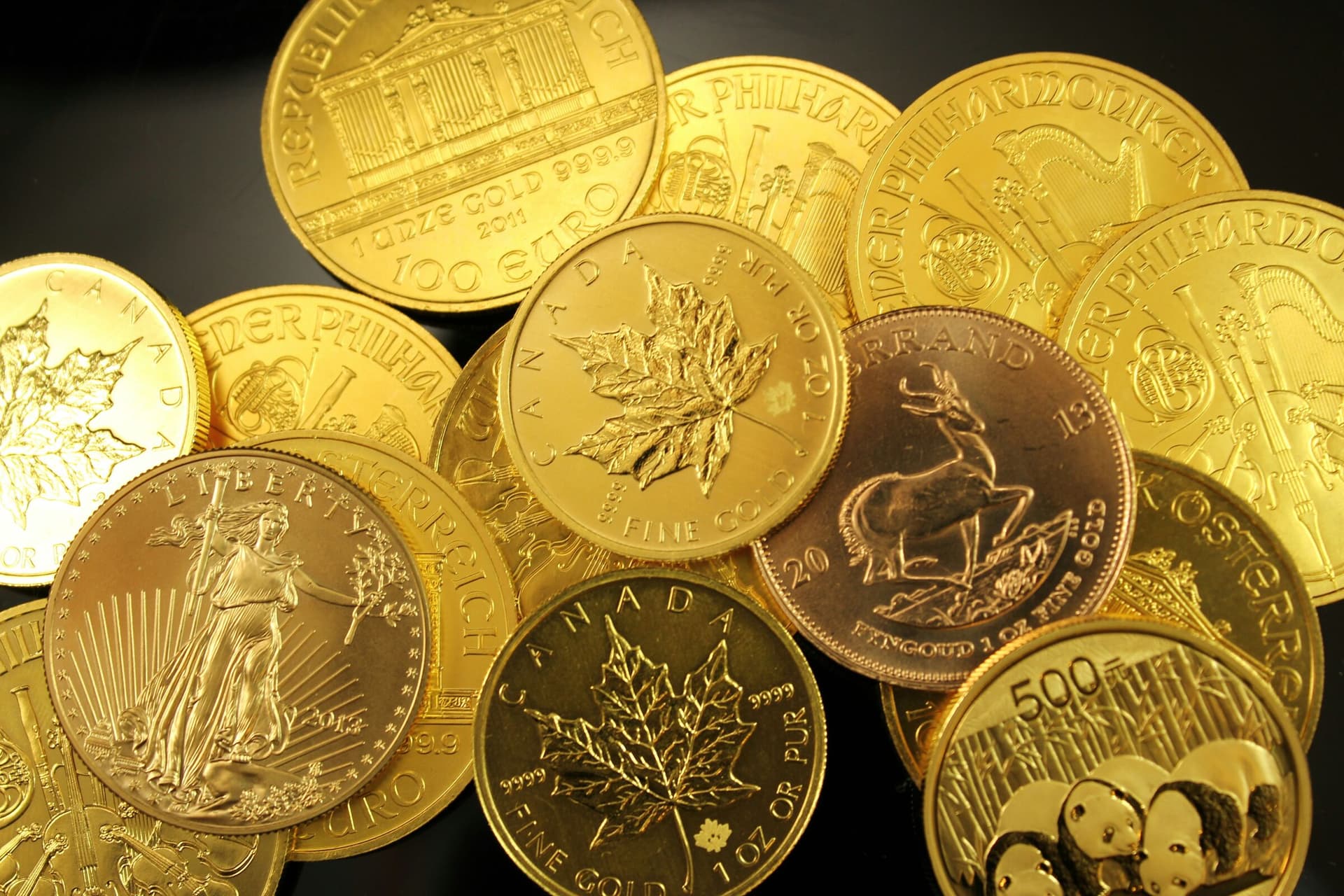
Struck by government mints with a stated weight and purity, and legal tender in their home country. They are the easiest to recognise and resell anywhere, but usually carry higher premiums than bars.
Bars
Made by mints and refiners in sizes from a gram up to a kilogram and more. Bigger bars generally cost less per ounce. Stick to brands dealers recognise, ideally with a serial number and assay card.
Rounds
Coin-shaped pieces from private mints. They aren't legal tender, which often makes them cheaper than government coins, but some buyers pay a little less for them when you sell.
ETFs and funds
Shares in a fund that holds metal in a vault, bought through a brokerage account. Easy to trade with low spreads, but you pay an annual fee and never hold the metal.
| Choice | Trade-off |
|---|---|
| Small sizes (1/10 oz, 1/4 oz, 1 oz silver) | Easier to afford and to sell a little at a time, but the premium per ounce is higher. |
| Large sizes (10 oz, 100 oz, 1 kg) | Lower premium per ounce, but you have to sell the whole piece at once, and big bars may be tested before a dealer buys them. |
| Government mints | Weight and purity are backed by a national mint, so coins are trusted worldwide. Usually a higher premium. |
| Private mints and refiners | Often cheaper. Well-known brands resell easily; obscure ones can be harder to sell and are easier to fake. |
| Collectible and graded coins | Priced on rarity and condition, not metal content. A different market with its own risks: see our guide to <a href="/rare-coins">rare coins</a>. |
Pros and cons of each seller
Where to buy
In the US you can buy physical metal from four main kinds of seller. Many people use more than one: an online dealer for price, a local shop for small buys and selling back.
| Seller | Pros | Cons |
|---|---|---|
| Online dealers | Wide choice, prices shown openly and easy to compare, often lower premiums on larger orders. | Shipping and insurance add cost, minimum orders are common, you wait for delivery, and the price often depends on how you pay. |
| Local coin shops | See the metal before you pay, take it home the same day, no shipping, and a face-to-face place to sell back. | Premiums are often higher, stock is limited, and your state may charge sales tax on the purchase. |
| Government mints | Buying direct removes any doubt about authenticity, and special editions are released there first. | Usually the highest premiums, limited release windows, and many mints sell bullion only through approved dealers, not to the public. |
| Marketplaces and auction sites | Sometimes good prices and unusual items, with platform buyer protection. | The highest counterfeit risk, sellers of uneven quality, and fees built into the price. Check every seller's history. |
Be wary of buying from strangers on social media or classified sites, where there is little recourse if something goes wrong.
Total cost per ounce
How to compare prices
Every product is priced as the spot price plus a premium. Spot is the market price for raw metal (see how the spot price is set); the premium covers making, distributing and selling the product. Because premiums and extra costs differ so much, the only fair comparison is the total cost per troy ounce of pure metal.
Total cost per ounce = (price of the items + shipping + insurance + payment fees + sales tax) ÷ ounces of pure metal.
Premium over spot
The gap between the price and the metal value. Compare it as a percentage or in dollars per ounce, and notice how it changes with product and size.
Shipping and insurance
Free shipping often starts only above an order minimum. On a small order, a flat shipping fee can add a lot per ounce.
Payment-method pricing
Many dealers list a lower price for bank wire, check or ACH and a higher one for credit cards or PayPal, because card fees are higher. Compare like with like.
Sales tax
Rules vary by state: some exempt precious metals, some exempt only larger purchases, others tax them. Check your state's rules before you compare a local shop with an online dealer.
Our cost-per-ounce calculator adds these costs up for you. To see what the metal inside a coin or bar is worth at today's spot price, use the melt value calculator below.
It's also worth asking what the dealer would pay to buy the same item back today. The gap between buy and sell prices (the spread) is what you lose if you change your mind.
Try it
Melt value calculator
Pre-filled with the latest price. Edit it to try another price.
Melt value
$4,141.39
0.9999 troy oz of pure gold
Melt value is the metal content at spot. Dealers sell above it (the premium) and usually buy below it. Rare coins can be worth far more than melt.
Before you pay
Checking a dealer
Independent reviews
Read reviews on several sites, not just testimonials on the dealer's own website. Look for patterns: late shipping, slow refunds or problems selling back.
Buyback policy
A solid dealer will buy back what it sells and say how it sets the price. A dealer that won't quote a buyback price is a warning sign.
BBB and complaints
Check the Better Business Bureau profile and how complaints were handled, and search your state attorney general's office and the CFTC for actions against the firm.
Trade memberships
Membership of the Professional Numismatists Guild (PNG) or the American Numismatic Association (ANA) means the dealer has agreed to a code of ethics. Check membership on the organisation's own site.
Clear contact details
A real street address, a phone number that a person answers, and clear terms for shipping, returns and cancelled orders. Be cautious if any of these are missing.
Time in business
A long track record isn't a guarantee, but newer firms with no history deserve more checking, especially if their prices are well below everyone else's.
Watch out for
Red flags when buying
- High-pressure sales. Cold calls, countdown timers and warnings that you must act today or miss out. A fair seller will let you take your time.
- “Rare” coin upsells. Being steered from bullion to collectible or “semi-numismatic” coins sold as safer or exempt from reporting. These can carry very large markups. If you want collectibles, learn about rare coins first.
- Prices well below spot. No legitimate dealer can sell real metal for less than it costs. A price far below spot usually means a fake, a scam or metal that never ships.
- Unusual payment methods. Requests for gift cards, cryptocurrency, wires to a personal account or cash sent by courier. These are hard or impossible to recover.
- Storage you can't check. Offers to keep your metal for you without naming the vault, giving you a statement or letting you take delivery.
- Vague or missing details. No physical address, no written terms, or no clear weight and purity on the product listing.
If something feels wrong, stop. You can report suspected fraud to the Federal Trade Commission or your state attorney general.
Getting it home safely
Payment and delivery
Know the payment trade-offs
Bank wire, check and ACH are usually cheapest but give little protection if something goes wrong. Cards cost more but may offer chargeback rights. Use a method that leaves a record.
Insured shipping
Make sure the parcel is fully insured until it reaches you, and find out who files a claim if it goes missing. Reputable dealers insure shipments themselves.
Signature on delivery
Ask for signature confirmation so the parcel isn't left on a doorstep. Make sure someone will be home, or have it held at the carrier's office.
Discreet packaging
Good dealers ship in plain boxes with no mention of metal or the dealer's name. Don't post about your delivery online.
Open the parcel on video, check every item against the invoice, and report any problem to the dealer straight away. Most have a short window for claims.
Plan your storage before the metal arrives. A home safe, a bank safe deposit box and a private vault each have different costs and risks, and standard homeowner's insurance often covers only a small amount of coins and bullion.
Simple checks at home
Spotting fakes on arrival
Counterfeits are most common on marketplaces and from unknown sellers, but checking costs little. Look up the official specifications for your coin or bar (weight, diameter and thickness) from the mint or refiner first, and read up on purity and fineness so you know what the stamp should say.
Weight
Weigh it on a scale that reads to 0.01 g. Genuine pieces should match the official weight very closely. A coin that's noticeably light or heavy needs a closer look.
Dimensions
Measure diameter and thickness with calipers. Tungsten fakes can match the weight of gold, but then they won't match the size.
Magnet test, and its limits
Gold, silver, platinum and palladium aren't magnetic, so a coin that sticks to a strong magnet is fake. Passing proves little: many fakes use non-magnetic metals.
Ping test
Tap a coin gently with another coin and listen. Genuine silver and gold give a long, clear ring; most base-metal fakes give a dull clunk. Compare with a coin you know is real.
No single home test is proof. If anything fails or you're unsure, take the piece to a coin shop with an electronic tester, or ask the dealer about returning it. Don't scratch, file or acid-test bullion yourself; it damages the piece and its resale value.
Save it now, thank yourself later
Record keeping for taxes
When you sell physical metal at a gain, the IRS generally treats it as a collectible, which can be taxed at a higher long-term rate than stocks. Your gain is the sale price minus your cost basis, so you need proof of what you paid.
Invoices and receipts
Keep the dealer's invoice for every purchase, showing the date, items, quantity and total paid, including shipping and fees.
A simple ledger
Note what you hold, when you bought it, what it cost and where it's stored. A spreadsheet is enough and helps with insurance claims too.
Sales records
When you sell, keep the sale receipt. Dealers have to report some sales to the IRS on Form 1099-B, but you have to report gains whether or not a form is filed.
Funds and IRAs
Metal ETFs and metals held in an IRA follow their own tax rules. Your brokerage or custodian statements are the records to keep.
Tax rules change and depend on your situation, so check current IRS guidance or ask a tax professional before you sell.
Good to know
Frequently asked questions
What is the best precious metal to buy first?
There's no single right answer, and this isn't financial advice. Many first-time buyers start with gold or silver because they are the most widely traded, easiest to resell and have the most product choice. Gold packs more value into a small space; silver costs less per piece but takes up more room. Read our metal guides and think about your own goals.
Should I buy coins or bars?
Bars usually cost less per ounce, especially in larger sizes. Government bullion coins cost a little more but are recognised everywhere, which can make them easier to sell. Many buyers hold some of each.
Why can't I buy precious metals at the spot price?
Spot is the price for large amounts of raw metal traded between professionals. Coins and bars cost more to make, ship and sell, so dealers add a premium. When you sell, dealers usually pay a little less than their selling price, and that spread is part of the cost of owning physical metal. More in bullion premiums, bid and ask.
Is it safe to buy precious metals online?
It can be, if you buy from an established dealer with good independent reviews, clear contact details and a buyback policy, and the shipment is insured and needs a signature. The risks are highest with unknown sellers, marketplaces and prices that look too good to be true.
Do I pay sales tax on gold and silver?
It depends on your state. Some states exempt precious metals entirely, some exempt them only above a purchase amount, and some charge sales tax. Check your state's current rules, because they change.
How do I know if my gold or silver is real?
Buy from reputable sellers first. On arrival, compare the weight and dimensions with the official specifications, try a magnet (real precious metals don't stick), and listen for a clear ring when tapped. If anything doesn't match, ask a coin shop to test it with professional equipment.
Do I need to report my precious metals purchases?
Buyers generally don't report purchases themselves, though dealers have their own reporting duties for some large cash transactions. When you sell at a gain, you owe tax and must report it. This isn't tax advice, so check with a tax professional for your situation.
This guide is for general education only and isn’t financial, tax or legal advice. We don’t recommend specific dealers or products. Prices, tax rules and dealer terms change, so check current details and, if you’re unsure, talk to a licensed adviser before making decisions.