Troy Ounces Explained: How Precious Metals Are Weighed
Contents
- Key takeaways
- Why don't precious metals use a regular ounce?
- How much is a troy ounce compared to a regular ounce?
- How does the troy ounce affect coin and bar sizes?
- What about the fineness or purity of a troy ounce of metal?
- How is the troy ounce used when pricing metals day to day?
- Frequently asked questions
- How many grams are in a troy ounce?
- Is a troy ounce heavier than a regular ounce?
- Why do gold and silver use troy ounces instead of regular ounces?
- Does the troy ounce apply to all precious metals?
- If a coin says "1 oz," is that a troy ounce?
A troy ounce is a unit of weight used specifically for precious metals like gold, silver, platinum and palladium. It equals about 31.1035 grams, which is roughly 10% heavier than the "avoirdupois" ounce you'd use to weigh sugar, flour or your own body weight (28.35 grams). If you're buying bullion, every price you see quoted is based on the troy ounce, so understanding it matters before you spend any money.
Key takeaways
- A troy ounce (31.1035 grams) is heavier than a standard ounce (28.35 grams) by about 10%.
- Gold, silver, platinum and palladium are priced and weighed in troy ounces worldwide, not regular ounces.
- Confusing the two units when comparing prices or coin weights can lead to costly mistakes.
Why don't precious metals use a regular ounce?
The troy ounce dates back centuries to a weight system used in European trade. The name is widely traced to Troyes, France, a major medieval trading hub, though historians debate the exact origin. When international gold and silver markets standardized their pricing systems, they kept the troy ounce rather than switching to the avoirdupois ounce that most other goods use.
That history stuck. Today, every major bullion exchange, refiner and mint measures gold, silver, platinum and palladium in troy ounces. It's simply the accepted convention, similar to how oil is priced in barrels.
How much is a troy ounce compared to a regular ounce?
| Unit | Weight in grams | Common use |
|---|---|---|
| Troy ounce | 31.1035 g | Gold, silver, platinum, palladium |
| Avoirdupois ounce | 28.35 g | Food, body weight, general goods |
A troy ounce is about 2.75 grams heavier than a standard ounce. That difference seems small, but it adds up: 12 troy ounces equal roughly 13.1 avoirdupois ounces. If you ever see a metal's weight listed without specifying "troy," it's worth double-checking which unit is meant, especially with older or informal listings.
How does the troy ounce affect coin and bar sizes?
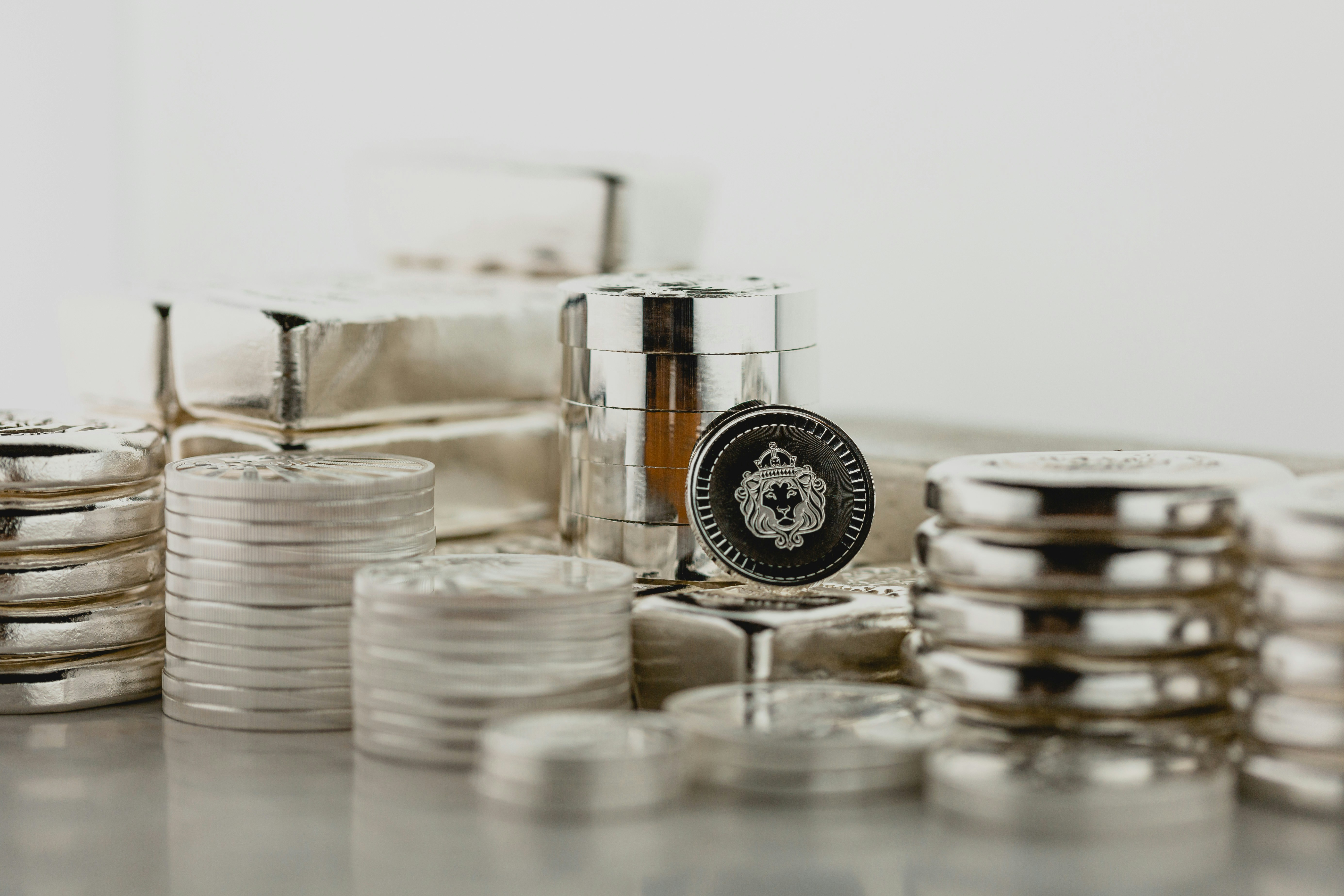
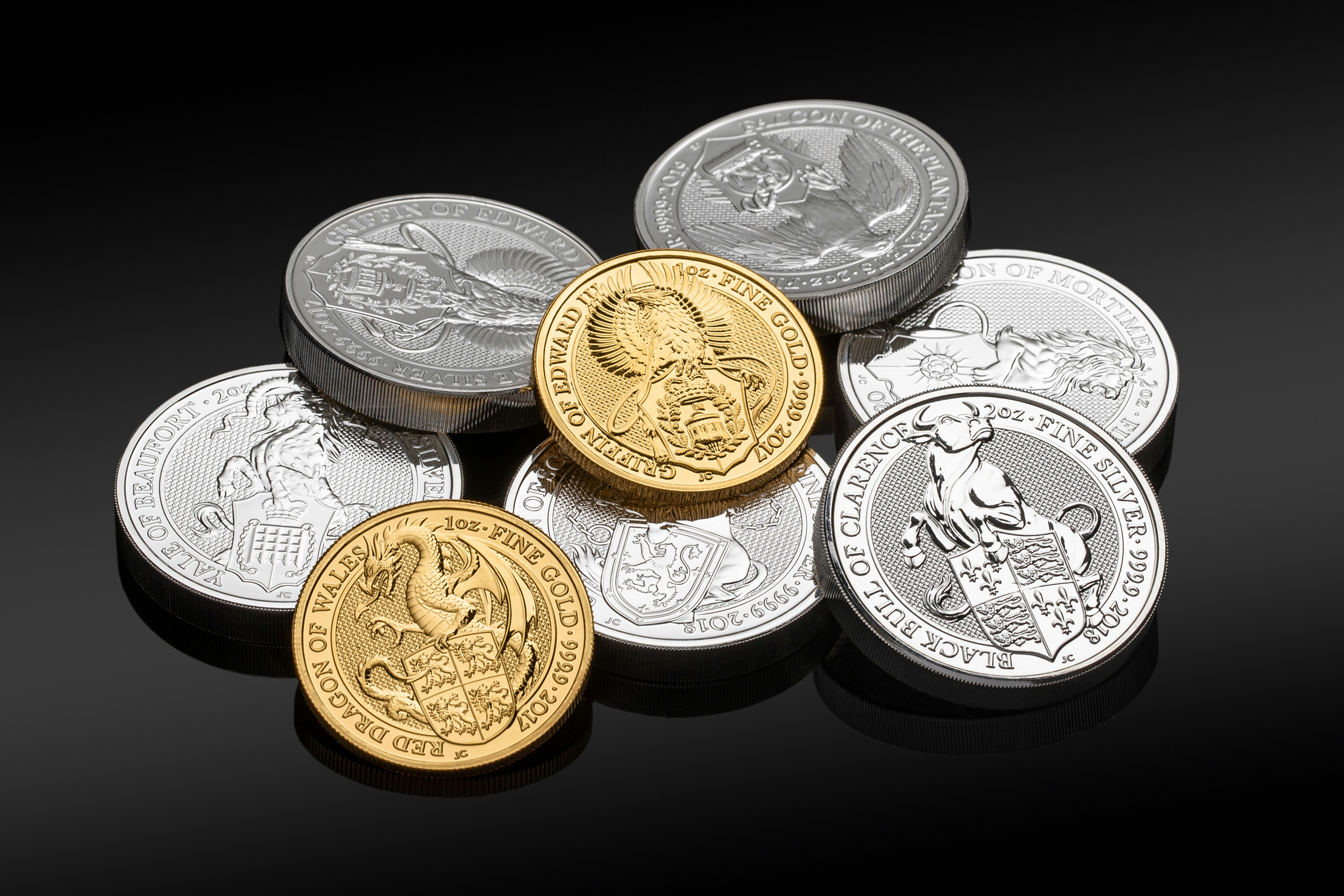
Most bullion coins and bars are minted in round troy-ounce weights: 1 troy ounce, 1/2 troy ounce, 1/4 troy ounce, and so on. A standard American Gold Eagle or Canadian Gold Maple Leaf, for example, is minted to weigh exactly one troy ounce of gold (plus, in some cases, small amounts of alloy metal for durability).
This matters when you're comparing dealers or products. A "1 oz" gold coin is a full troy ounce of gold content, not a slightly smaller regular ounce. When you check the spot price of gold, that price is always quoted per troy ounce, which is the benchmark you'll use to judge whether a coin or bar's asking price is reasonable relative to the market.
What about the fineness or purity of a troy ounce of metal?
The troy ounce measures total weight, but it doesn't tell you how pure the metal is. Purity is described separately, often as "fineness," such as .999 (99.9% pure) or .9999 (99.99% pure). A coin listed as "1 troy oz of .999 fine silver" contains one troy ounce of silver at 99.9% purity, with the remaining 0.1% typically other trace elements.
Some older or historic coins mix gold or silver with other metals for durability, meaning the coin's total weight in troy ounces is higher than its actual precious-metal content. Always check both the weight and the fineness stated by the mint or dealer before buying, since both numbers affect what you're actually paying for.
How is the troy ounce used when pricing metals day to day?
When you check a live gold or silver price, whether on a dealer's website or a market page, it's almost always quoted as "dollars per troy ounce." This is the reference point used across the industry, from large bullion dealers to central banks. If you're following daily market movement, posts like central bank gold buying or coin-market roundups such as dealer notes on rare coins versus bullion all use the troy ounce as their baseline unit, even when they don't spell it out explicitly.
Smaller items, like jewelry or fractional coins, are sometimes described in grams instead, since a fraction of a troy ounce can be an awkward number. It's worth converting mentally (or with a calculator) so you can compare apples to apples across different sellers.
Frequently asked questions
How many grams are in a troy ounce?
A troy ounce equals 31.1035 grams. This is a fixed, internationally recognized measurement used specifically for precious metals.
Is a troy ounce heavier than a regular ounce?
Yes. A troy ounce (31.1035 grams) is about 10% heavier than a standard avoirdupois ounce (28.35 grams), the kind used for everyday items like food.
Why do gold and silver use troy ounces instead of regular ounces?
The troy ounce became the standard unit for precious metals centuries ago through European trade conventions, and the bullion industry has kept using it ever since as a global pricing benchmark.
Does the troy ounce apply to all precious metals?
Yes. Gold, silver, platinum and palladium are all typically weighed and priced in troy ounces, whether you're looking at coins, bars or spot prices.
If a coin says "1 oz," is that a troy ounce?
For bullion coins, yes, "oz" almost always refers to a troy ounce of precious metal content. It's still worth confirming with the mint's official specifications, especially for older, foreign or historic coins where the weight standard may differ.
Understanding the troy ounce is a small but essential piece of precious-metals literacy. Once you know how it compares to a regular ounce and how it's used in pricing, you'll be able to read spot prices, coin listings and dealer quotes with much more confidence.
This article is for general education only and isn't financial, tax or legal advice. Talk to a qualified professional before making investment decisions.
Related posts
What Is the Spot Price of Gold, and How Is It Set?
The gold spot price is the current market price for one troy ounce of raw gold. Here's how trading sets it, why it moves, and why coins cost more than spot.
Best Silver Coins for Stacking: March 10
Dealer-style daily briefing on silver with macro analysis, product comparisons, and practical risk controls.
Why Central Banks Keep Buying Gold: March 09
Dealer-style daily briefing on gold with macro analysis, product comparisons, and practical risk controls.