Historical Trends: Discover Must-Know Precious Metal Shifts
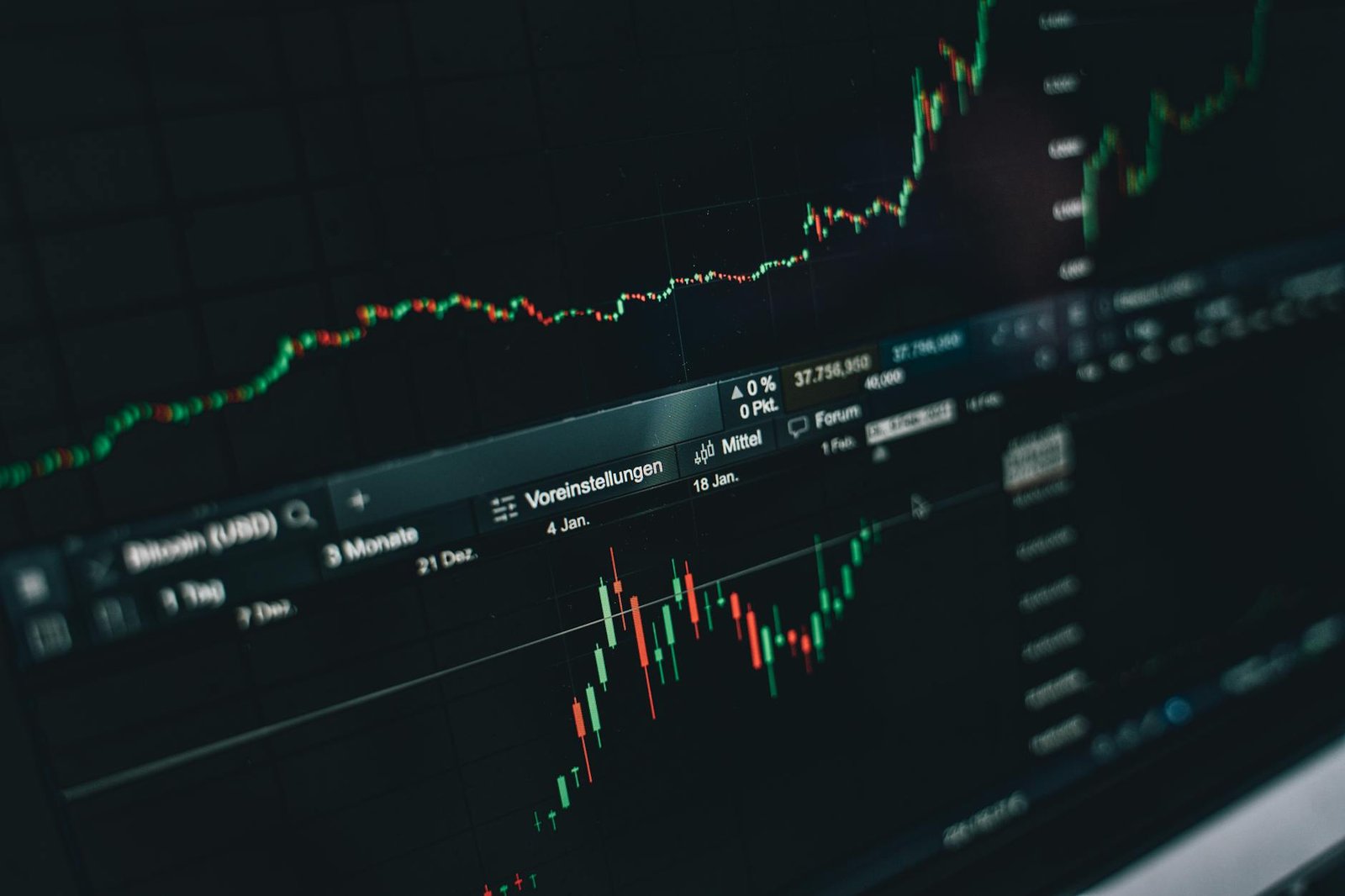
Historical Trends Gold Markets: Navigating the Shifts
Historical trends gold markets have always intrigued investors, economists, and enthusiasts alike. The allure of gold has stood the test of time, serving as a symbol of wealth, stability, and power throughout history. Understanding the patterns and underlying forces that drive these markets is essential for anyone looking to engage with precious metals, especially during turbulent financial periods.
The Timeless Role of Gold in Economics
Gold’s role in the global economy has evolved significantly over the years. Traditionally, it served as the backbone of monetary systems, underpinning currencies and providing a hedge against inflation. Its intrinsic value and limited supply have ensured its status as a reliable store of wealth.
In the context of historical trends gold markets have reacted to various global developments. For instance, geopolitical tensions often cause a surge in gold prices as investors seek safe havens.
Financial Crises and Metals: A Tangled Relationship
When discussing financial crises metals play a crucial role in shaping investor behavior. During economic downturns, confidence in traditional investments like stocks and currencies can wane, pushing investors towards tangible assets. This shift is often reflected in increased demand and rising prices for precious metals, including gold.
Examining the 2008 financial crisis reveals how gold prices soared amidst economic uncertainty. As banks failed and markets tumbled, gold offered security and an alternative to volatile financial instruments. Such historical insights highlight the cyclical nature of gold’s appeal during periods of economic distress.
Unveiling Price Pattern Analysis in Gold Markets
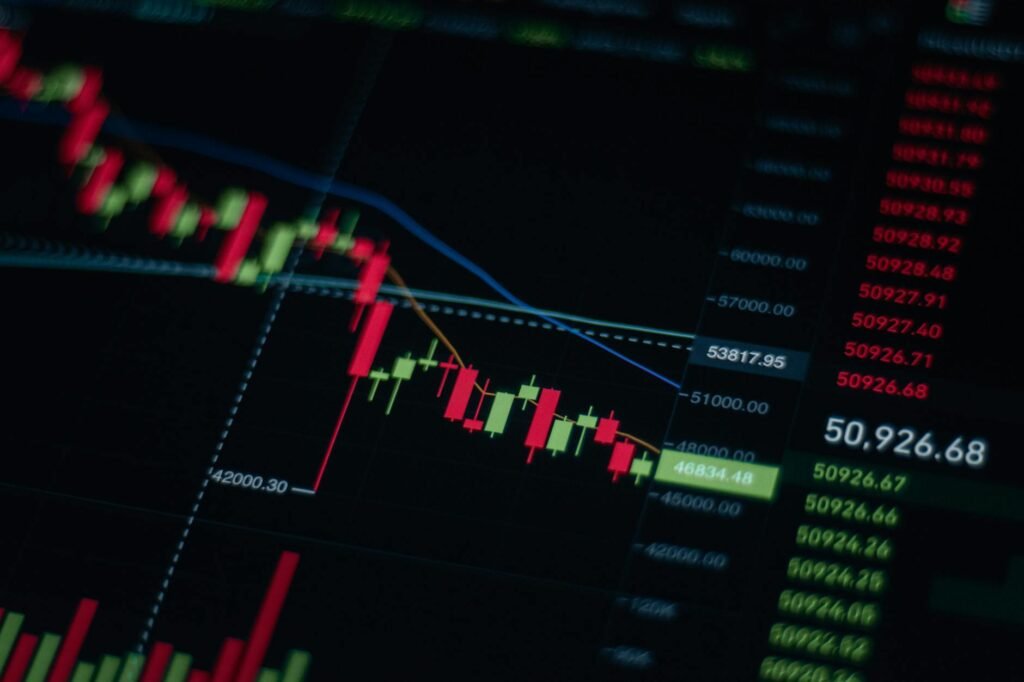
Price pattern analysis is vital for anyone investing in gold. By examining past data, investors can identify trends and make informed decisions. One notable pattern is the seasonal fluctuation of gold prices. Typically, prices tend to rise in the early months of the year, driven by increased retail demand during festivals and weddings in countries like India and China.
Moreover, the interplay between the U.S. dollar and gold is a critical area of analysis. Gold is often seen as a counter-investment to the dollar, meaning when the dollar weakens, gold prices typically increase. This inverse relationship informs strategic decisions within the precious metals market.
Current Trends Shaping Future Gold Markets
While historical trends provide valuable insights, the current gold market landscape also warrants attention. With global economies rebounding from the pandemic, fiscal policies and inflation rates are influencing gold prices. As central banks reassess interest rates, investors must remain vigilant and adaptive.
Technological advancements, such as blockchain and digital currencies, are transforming how investors engage with precious metals. The emergence of digital gold—backed by actual assets—provides a modern twist to this age-old market, offering new opportunities and challenges.
Investment Tips for Aspiring Gold Investors
For those eager to enter the gold market, understanding historical trends gold markets is just the beginning. Here are a few investment tips:
1. Diversification: Allocate only a portion of your portfolio to gold. Diversification minimizes risks and enhances potential returns.
2. Research: Stay informed about geopolitical events, economic policies, and market analyses that could impact gold markets.
3. Timing: Utilize pattern analysis to identify opportune moments for buying or selling. Recognize that market timing can be challenging, so a long-term perspective may be beneficial.
4. Innovative Options: Consider modern investment vehicles like gold ETFs or digital gold to diversify your approach and possibly reduce costs or barriers to entry.
5. Professional Guidance: Consulting with financial advisors can provide a tailored strategy that aligns with your financial goals and risk tolerance.
Conclusion
The historical trends gold markets reveal a complex tapestry of economic, geopolitical, and financial influences. By understanding these patterns and incorporating them into investment strategies, individuals can navigate the intricate landscape of precious metals more effectively. As global dynamics continue to evolve, staying informed and adaptable will be key to achieving success in the ever-intriguing world of gold investment.
Leave a Reply