Geology and Metal Prices: Stunning Secrets of Wealth
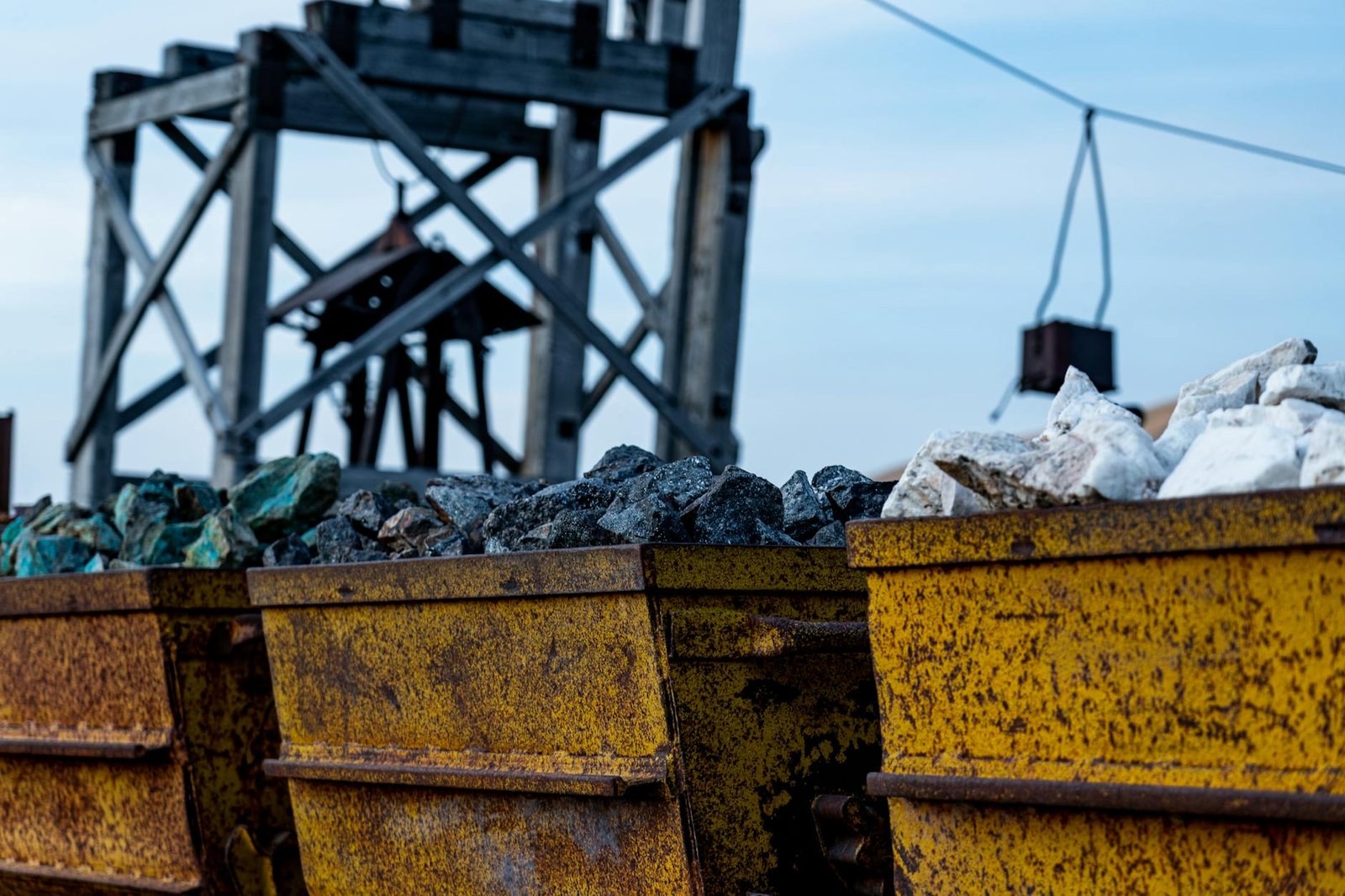
Geology and Metal Prices: Unveiling Hidden Riches
Geology and metal prices are intricately connected, creating fascinating opportunities for wealth generation. The Earth’s crust is a complex tapestry of minerals and elements, making geology a critical factor in determining the economic value of natural resources. This article explores the relationship between geology and metal prices, shedding light on how understanding these elements can unlock secrets of prosperity.
The Science Behind Geology and Metal Prices
Geology plays a pivotal role in determining the availability and concentration of metals within the Earth’s crust. The formation, movement, and erosion of geological structures over millions of years have led to the deposition of valuable minerals. Metallogenic provinces, tectonic boundaries, and volcanic arcs are some key geological features that influence metal distribution.
Understanding the types of rock formations and their geographical locations helps in predicting metal availability. For instance, gold is typically found in quartz veins within metamorphic rocks, while copper and iron are often associated with igneous rocks. These geological insights are indispensable for mining companies aiming to pinpoint lucrative extraction sites.
Natural Resources Wealth: A Global Perspective
The wealth derived from natural resources is significant. Countries enriched with abundant mineral reserves often wield considerable geopolitical power. For instance, nations like Australia, Canada, and Russia have robust mining industries heavily influencing their economies. The wealth from metal exports supports national budgets, infrastructure development, and technological advancements.
Additionally, local communities can benefit from employment and improved living standards. However, the quest for natural resources wealth must balance environmental considerations, as responsible mining practices are crucial for sustainable development.
Gold Supply Factors: Influential Elements
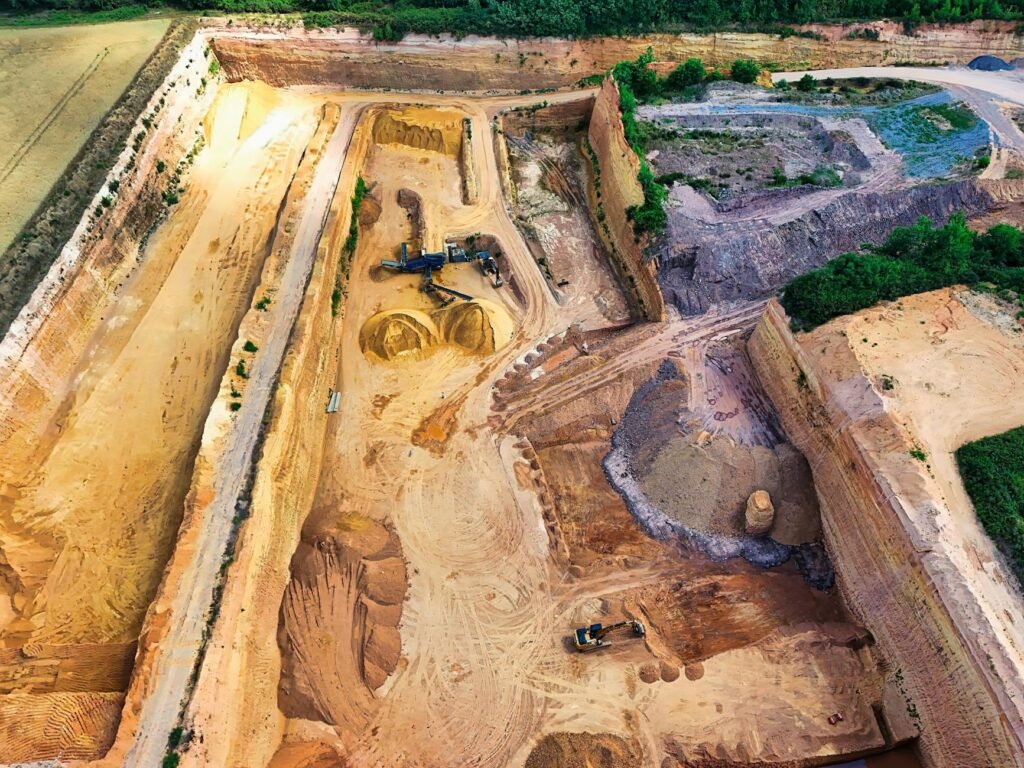
Gold, one of the most coveted precious metals, is profoundly affected by geology and supply factors. Geological features such as greenstone belts and sedimentary deposits are fundamentally linked to gold availability. The accessibility of these resources depends on technological advances in mining and exploration.
Moreover, geopolitical factors and economic stability play crucial roles. Political tensions can disrupt supply chains, affecting global market prices. Investment demand, driven by economic uncertainty, can also propel gold prices, as investors seek safe havens to preserve wealth amidst volatility.
The Impact of Technological Advancements
Technology significantly impacts the relationship between geology and metal prices. Advances in exploration techniques, such as remote sensing and geophysical surveys, enable more efficient identification of potential mining sites. Innovations in extraction methods, like bioleaching and automation, reduce costs and minimize environmental impact.
These technological advancements not only increase the efficiency of mining operations but also make previously inaccessible resources economically viable. As a result, supplies can increase, potentially stabilizing or reducing metal prices in the market.
Investment Insights: Navigating Metal Market Trends
For investors, understanding geology and metal prices offers valuable insights into market trends and potential opportunities. Diverse investment strategies can be employed to capitalize on fluctuations in metal markets:
1. Diversification: Including a mix of metals like gold, silver, copper, and rare earth elements in investment portfolios can reduce risk.
2. Geopolitical Analysis: Monitoring political and economic developments in metal-rich regions provides foresight into potential supply disruptions.
3. Technological Trends: Investing in mining companies that leverage cutting-edge technology can yield higher returns due to increased operational efficiency.
Environmental and Ethical Considerations
While the pursuit of natural resources wealth offers significant economic benefits, it is essential to consider the accompanying environmental and ethical implications. Sustainable mining practices, including rehabilitation of mining sites and reducing carbon footprints, are vital for preserving ecosystems.
Furthermore, ethical concerns regarding labor practices and the welfare of local communities must be addressed. Responsible investors and companies are increasingly directing their efforts towards ensuring that mining activities contribute positively to global development goals.
Conclusion: The Riches Beneath
Geology and metal prices are allies in the discovery of hidden wealth. By understanding the Earth’s geological framework and its influence on metal distribution, investors and companies can make informed decisions that tap into the vast wealth of natural resources. Whether through advanced technology or strategic investments, the secrets of prosperity lie deep beneath our feet, awaiting those with the knowledge and vision to uncover them.
Leave a Reply