Beginner’s Guide: Stunning Gold & Metals Investment Tips
Beginner’s Guide Investing Metals: Understanding the Basics
For those just diving into the world of investing, the beginner’s guide investing metals provides a gateway into a timeless asset class. Metals have held value for centuries, preserving wealth through economic ups and downs. As economies fluctuate, understanding how to effectively invest in metals like gold can provide stability and growth potential.
Gold Investment Basics: Why Consider Gold?
Gold investment basics lie in its role as a safe haven. Unlike fiat currencies, gold retains intrinsic value, immune to inflationary pressures and currency devaluation. During times of economic uncertainty, investors flock to gold, driving prices higher. It acts as a hedge against inflation and a way to diversify your investment portfolio.
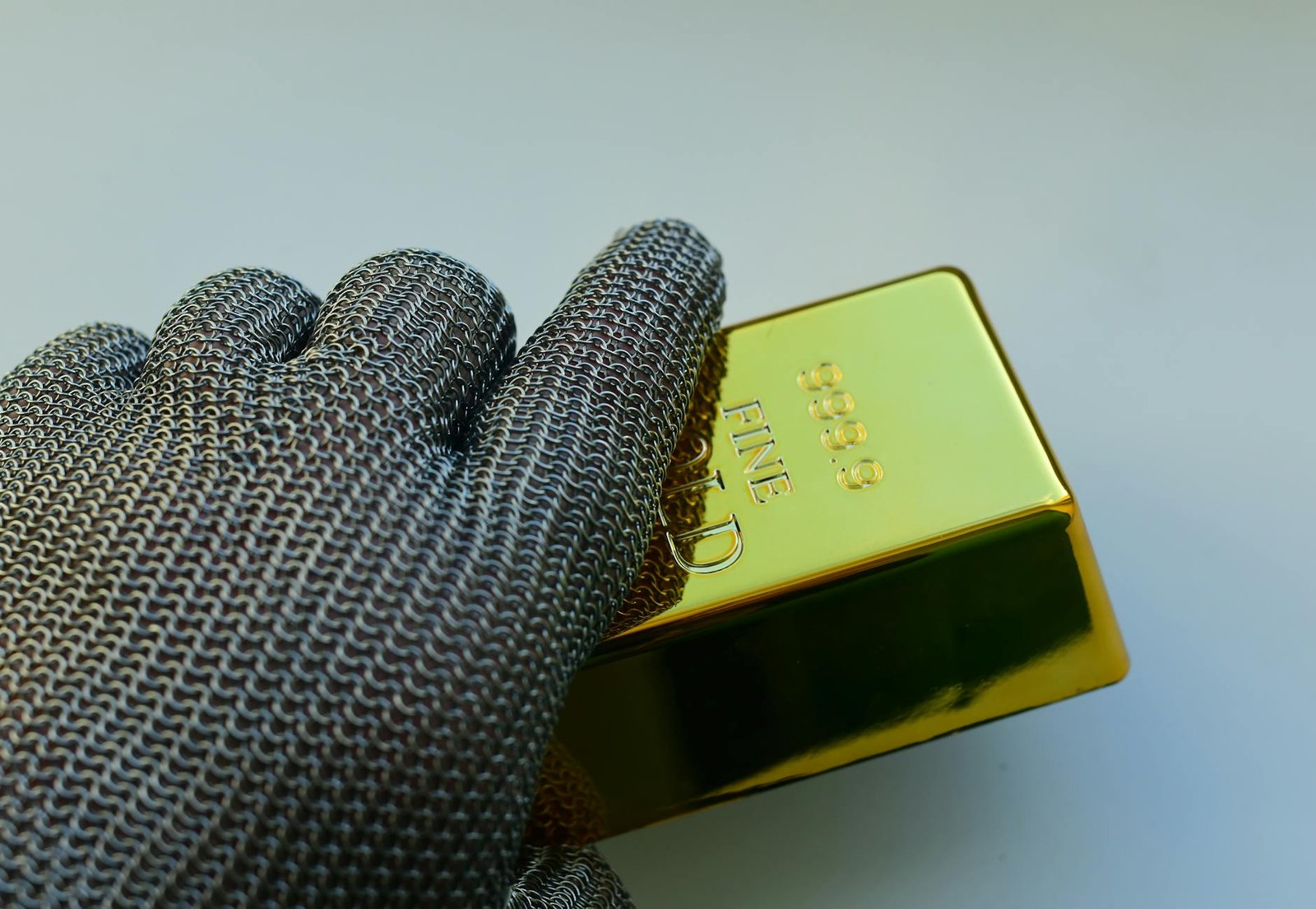
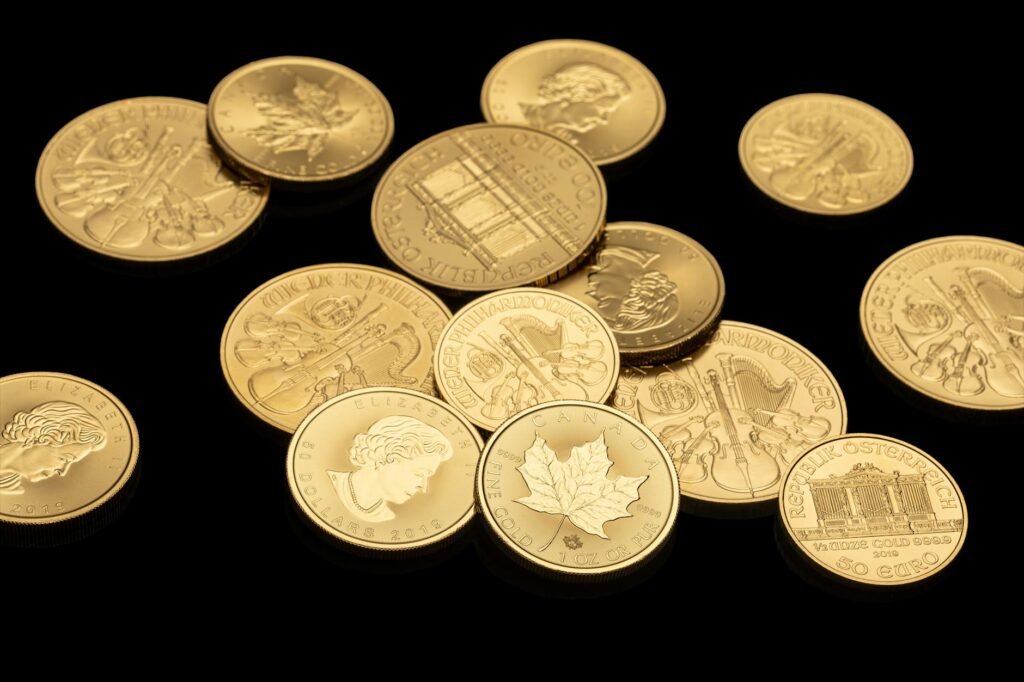
Gold is typically purchased in three forms: physical gold, exchange-traded funds (ETFs), and mining stocks. Each option suits different investor needs and risk profiles. Physical gold, accessible through coins and bars, offers tangible ownership but requires secure storage. ETFs provide a convenient and liquid way to invest in gold without handling the metal, while mining stocks offer higher return potential with additional risk.
Precious Metals 101: Beyond Just Gold
While gold often steals the spotlight, precious metals 101 introduces a wider world of investment opportunities. Silver, platinum, and palladium also play significant roles in both investment and industry. Each metal has unique properties and uses, influencing its market dynamics.
Silver is both an investment and industrial metal, used in electronics and solar panels. Its price can be more volatile than gold, creating dynamic trading opportunities. Silver often complements gold within a diversified portfolio, providing exposure to different economic cycles.
Platinum and palladium are crucial in the automotive and technology sectors. These metals are integral in manufacturing catalytic converters and electronics, creating demand driven by industry rather than just investment. Their markets present opportunities tied to global industrial demand.
Strategies for Beginners: Investing with Confidence

Educate Yourself: Knowledge is power. Understanding the economic factors affecting metal prices, such as currency movements, inflation rates, and industrial demand, can empower your investment strategy. Stay informed through market news, financial reports, and expert analyses.
Diversify Your Portfolio: Combining metals with other asset classes like stocks and bonds can reduce risk. Diversification helps balance potential losses in volatile markets, ensuring your investments are not reliant on a single economic outcome.
Start Small and Expand: If you’re new, consider starting with a small investment in a gold ETF or a few silver coins. This approach allows you to learn the market’s intricacies without overwhelming financial commitments. As knowledge and confidence grow, so can your investment scale.
Think Long-Term: Precious metals can provide short-term trading opportunities, yet they are traditionally viewed as long-term investments. Over decades, they have maintained and increased in value, rewarding patient investors.
Understanding Market Trends: Insight into Metals Investment
The metals market is influenced by a myriad of factors, including geopolitical tensions, currency changes, and technological advancements. By keeping an eye on these trends, investors can make informed decisions. For instance, rising electric vehicle production boosts platinum and palladium demand, while advancements in solar energy can influence silver markets.
Final Thoughts: Becoming a Savvy Metals Investor
Embarking on this financial journey with the beginner’s guide investing metals equips you with the foundational knowledge to explore this fascinating sector. By focusing on gold investment basics and expanding into other precious metals, you can construct a balanced portfolio that appreciates over time. Continuous learning and adapting to market changes remain crucial as you evolve into a savvy investor in the metals market.
Remember, while precious metals have enduring value, they are no substitute for a diversified portfolio. Consult with financial advisors to tailor an investment plan that aligns with your goals and risk tolerance. As you delve deeper, you may find that metals offer more versatility and security, supporting your financial ambitions in an ever-changing world.
Leave a Reply